
For us, the hardest part is often starting
Homework can become difficult before a pencil has even touched the page. After a full school day, another open-ended instruction to “do your homework” can feel much bigger than the work itself.
We have found it more useful to make the beginning small: get the sheet out, look at the first question, agree on a short block of time. Once the first step is happening, the rest is easier to judge.
1. Make the work period feel finite
We prefer a short agreed period to an undefined stretch of homework. A visual timer can make that block easier to understand because the child can see it getting smaller. The timer is not there to say “work faster”; it is there to show that the work period has an end.
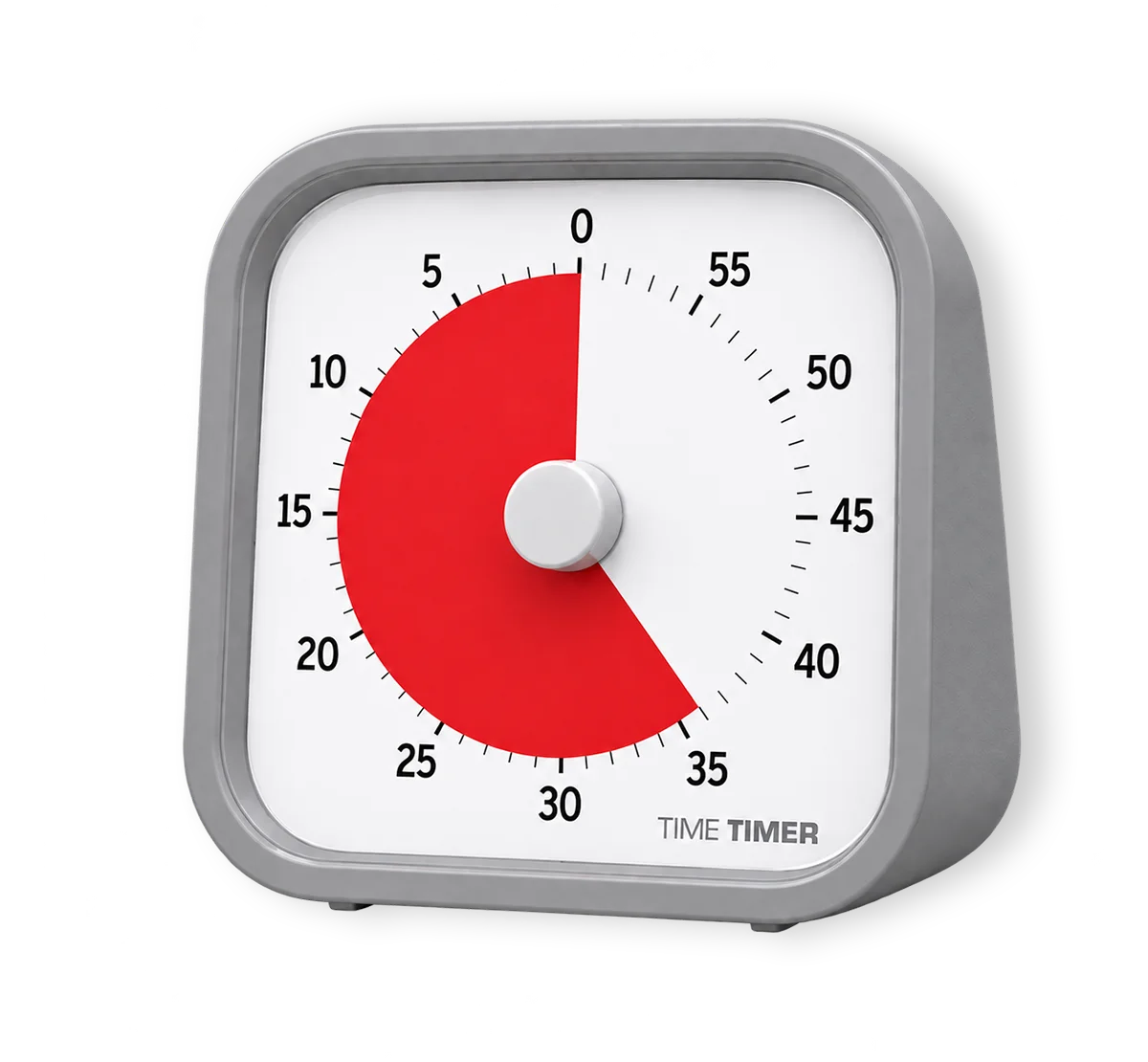
We use a visual countdown to make short work periods and their finish point easier to see.
View on AmazonHow long a block should be depends on the child and the task. We would rather finish a manageable block successfully and take a break than pick an ambitious number and spend the whole time negotiating.
2. Build movement into the plan
We do not see getting up for a movement break as homework going wrong. For our child, movement can be part of how we get through it. A quick active break creates a clear pause before returning to the next small piece.
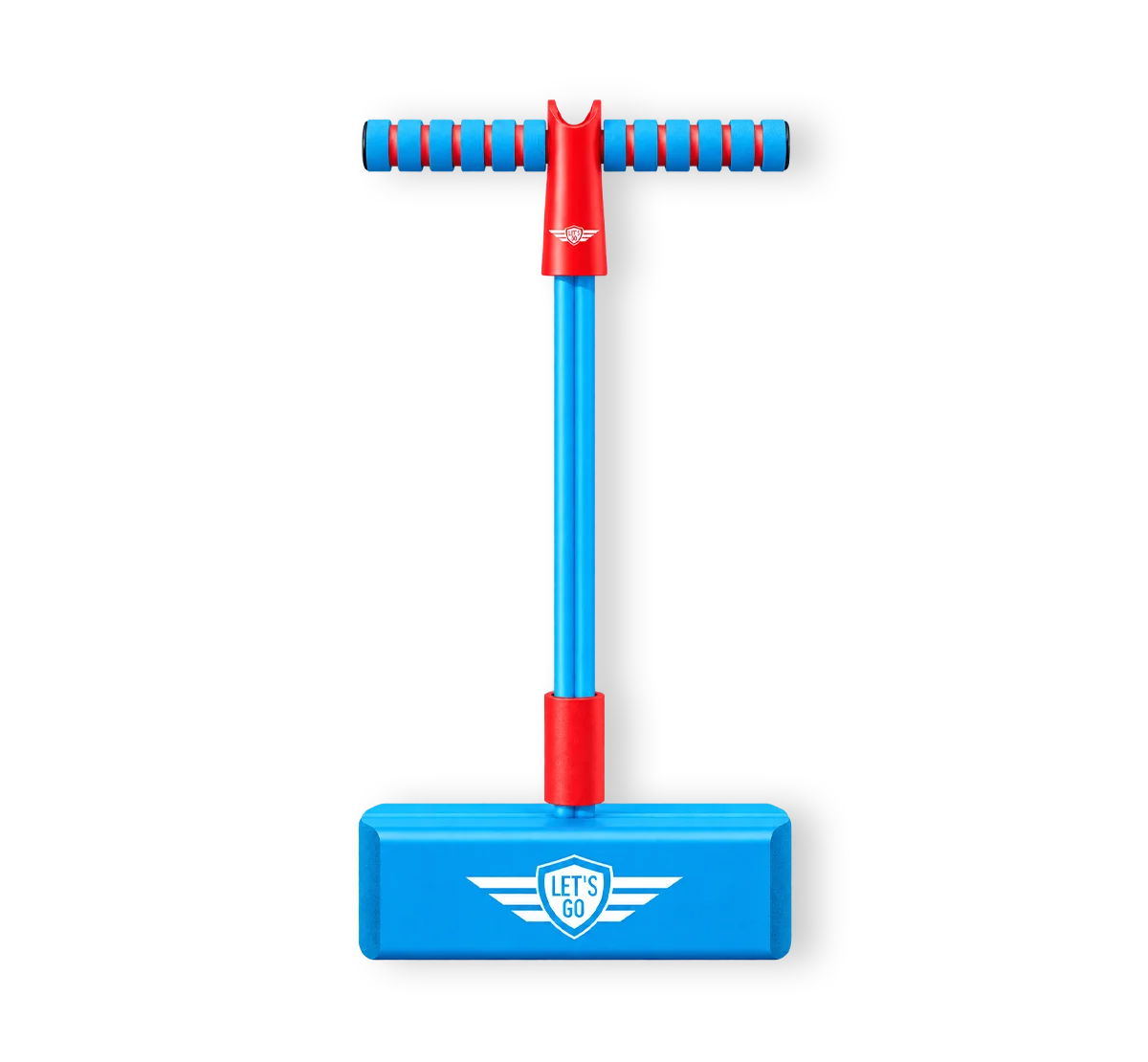
A compact way to turn a short break into proper movement before coming back to the next task.
View on AmazonThe product is optional. Running to the garden, a few jumps, stretching or carrying something upstairs can do the same job. The useful part is that the break has a purpose and a clear return point.
3. Give busy hands a quiet job when it helps
A fidget is not automatically a focus tool. If it becomes the most interesting thing on the table, it is doing the opposite of what we want. But a simple, quiet object can sometimes give busy hands something repetitive to do while listening or thinking.

Small, quiet and repetitive, so it can offer hand movement without adding noise to the room.
View on AmazonWe would introduce it with a simple rule: if it helps you listen, it stays; if you are playing with it instead of working, we put it away and try something else.
4. Consider the environment before asking for more concentration
Sometimes the task is not the only thing competing for attention. Television in another room, kitchen noise or siblings talking can make a short piece of work much harder. The first step is usually to simplify the environment rather than buy something.
For situations where reducing background noise is useful without completely blocking voices, Loop Engage Kids 2 is one of the options we recommend on A Little Clearer.

Designed to soften background noise while still allowing a child to hear and stay involved.
View on AmazonWhat we would not buy first
We would not start by filling the desk with “ADHD focus” products. A clear first step, a realistic amount of work, an adult nearby when needed and permission to move are more important than creating a perfect study setup.
Products earn their place when they solve a specific problem we can name. If we cannot explain what a tool is supposed to make easier, we probably do not need it.
The goal is not to keep a child sitting for as long as possible. It is to make the next bit of learning feel possible.
A simple homework rhythm to try
Snack and decompress first if that is what your child needs. Then make the first action tiny, agree on a short work block, take a purposeful movement break and return for the next piece. Keep instructions one at a time and finish with a clear endpoint.
If homework is consistently causing distress or taking far longer than expected, it is worth talking to the school about the amount of work and the support or adjustments that may help.
This is our family’s experience rather than medical advice, and every child is different. This article contains affiliate links. If you buy something through one of these links, we may receive a small commission at no extra cost to you. Read our affiliate disclosure.