
Routines
Mornings, transitions & everyday steps.
For getting ready, following a sequence, moving from one activity to the next and building independence.
We share practical products and simple guides that have helped our family, alongside carefully researched recommendations for everyday ADHD challenges, from routines and focus to sensory needs, movement and sleep.
Browse by everyday need
Mornings, transitions & everyday steps.
For getting ready, following a sequence, moving from one activity to the next and building independence.
Homework, classrooms & busy brains.
For noisy places, schoolwork and children who concentrate more comfortably with movement.
Feelings, overwhelm & sensory needs.
For sensory preferences, big feelings, overwhelming moments and children who need quiet to regulate.
Books, communication & self-understanding.
For explaining ADHD, talking about feelings and building a shared language at home.
Active play, balance & body breaks.
For channeling energy, building movement into the day and finding active ways to reset indoors.
Wind-down, bedtime & busy minds.
For slowing the pace before bed, creating predictable cues and making quiet time easier to settle into.
Browse our recommendations
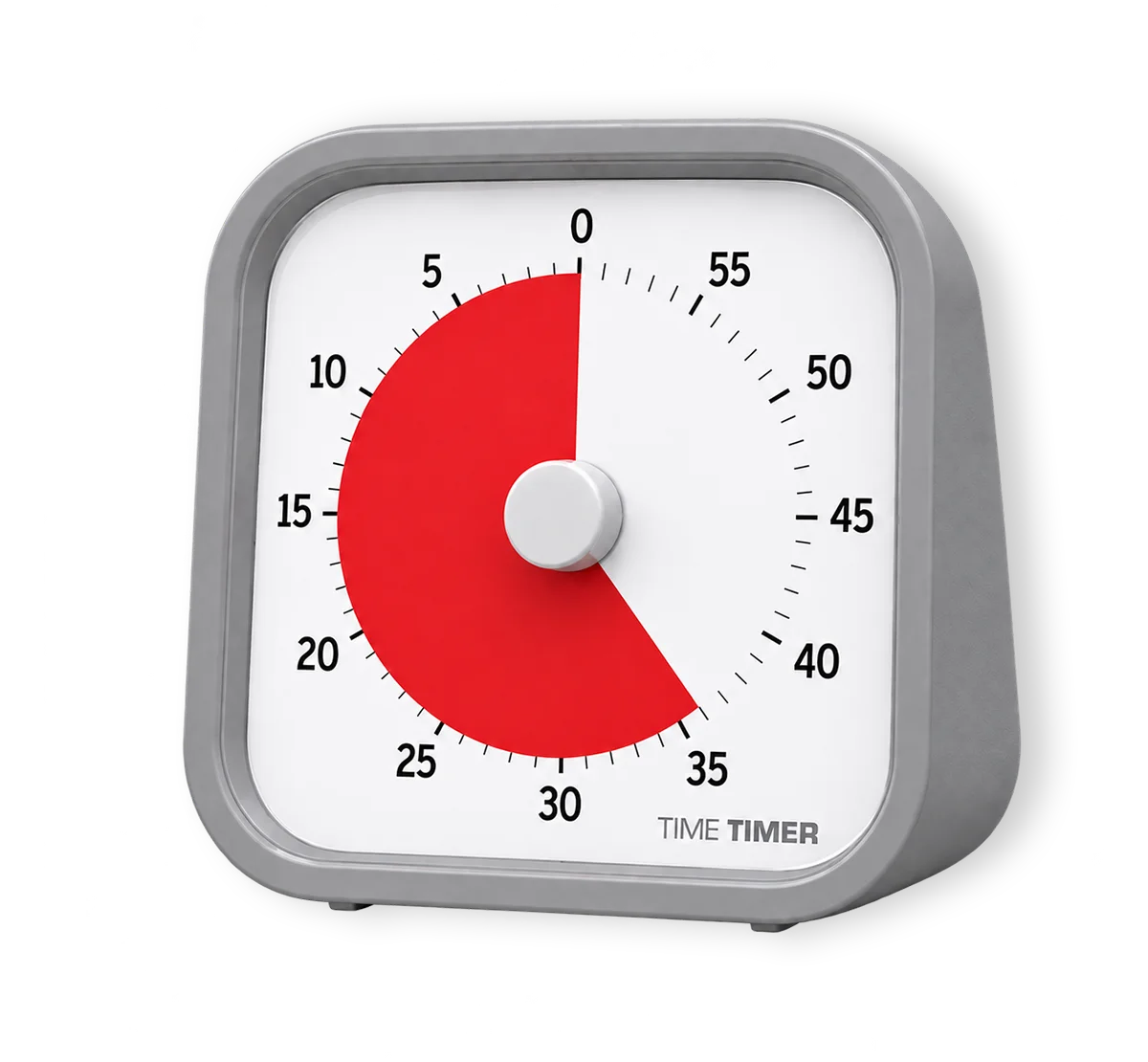
Routines
Used by our familyThe visual countdown makes ‘five more minutes’ something a child can actually see. It offers a calmer warning before a change, rather than relying on repeated reminders.
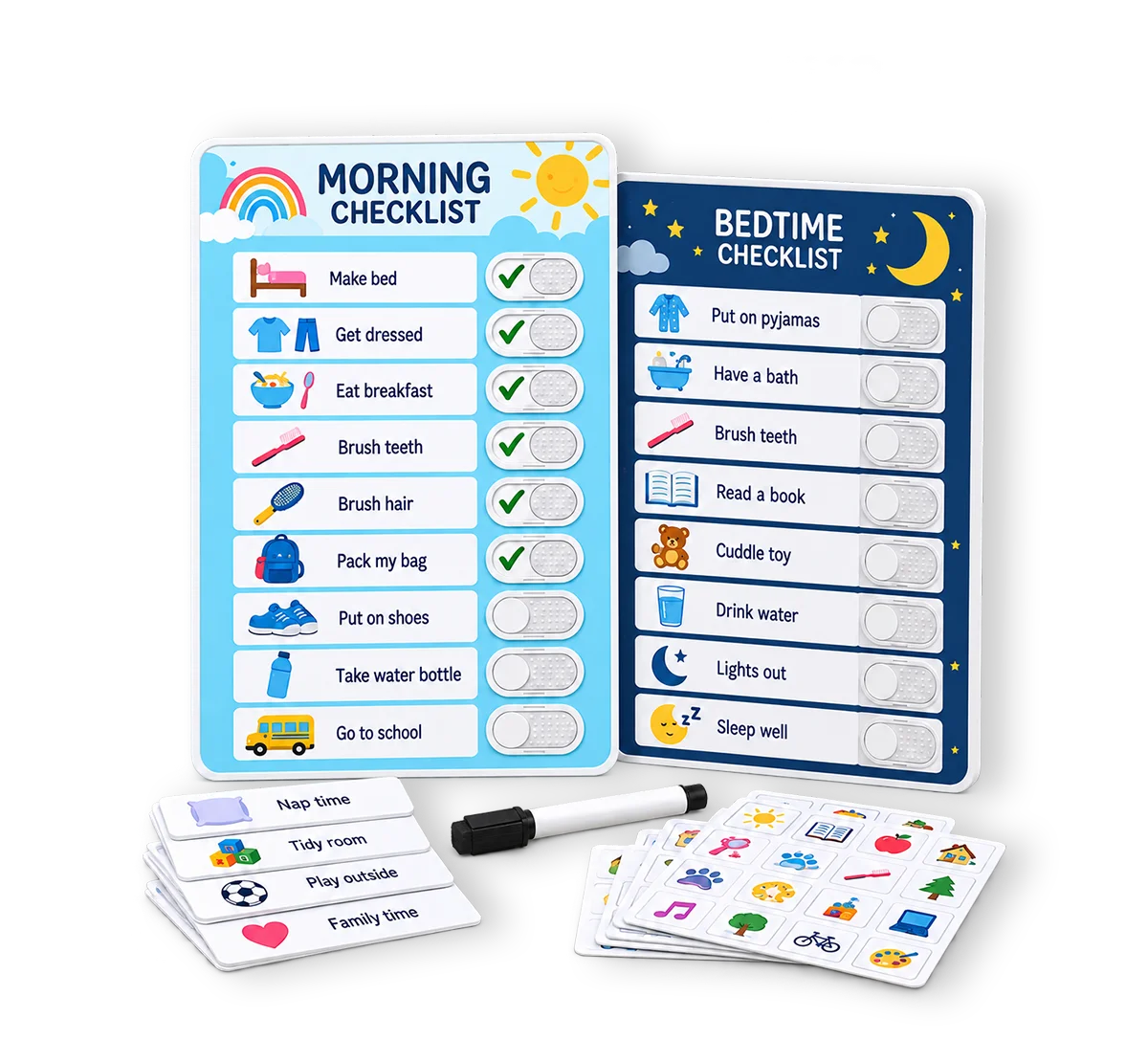
Routines
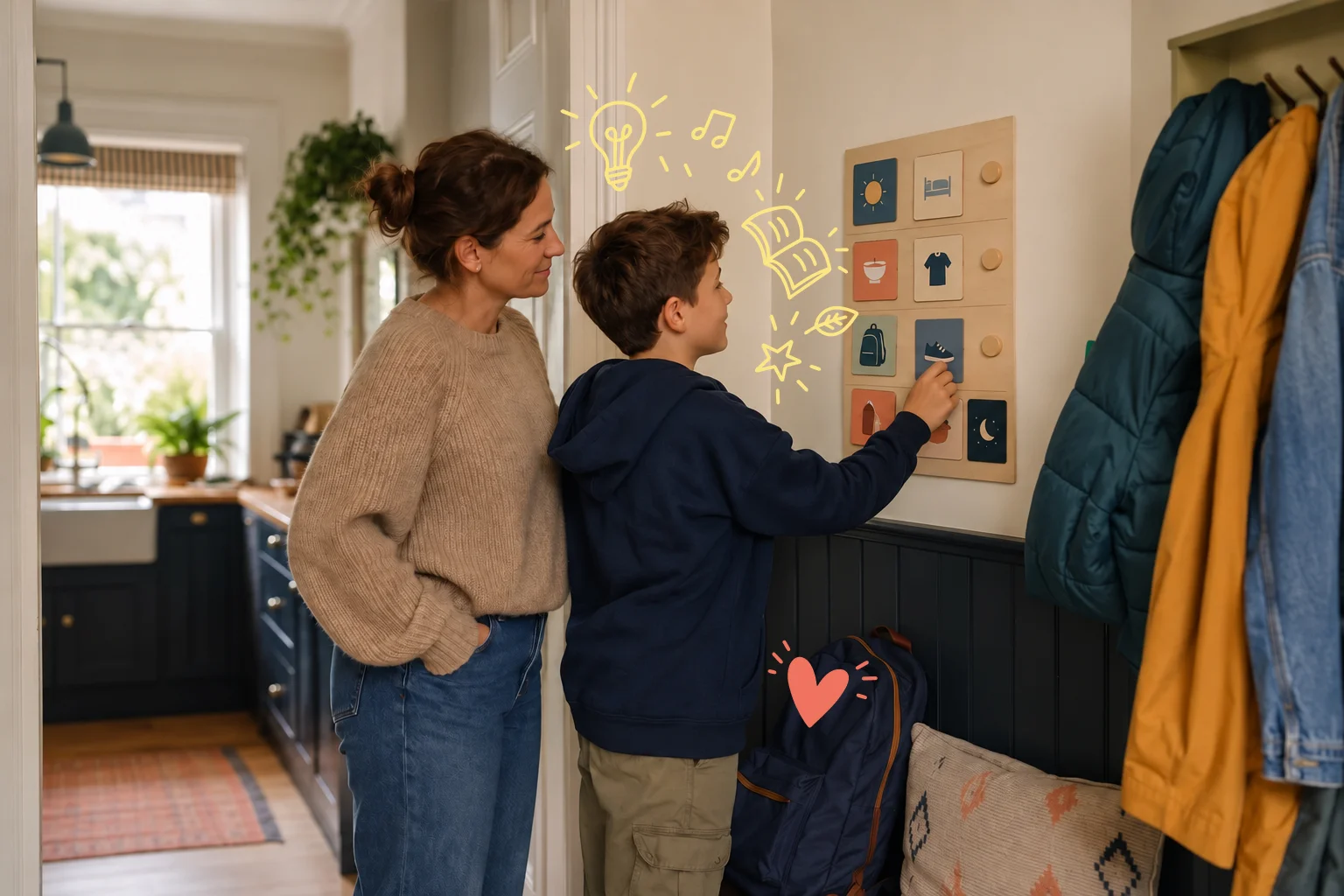
Used by our familyA simple morning-and-evening chart can reduce repeated reminders by keeping the routine visible. Moving through each task gives children a clearer sense of progress and what comes next.

Focus & Study
Carefully researchedThese are a less isolating option than full ear defenders when the aim is to soften background noise rather than block everything out. Children can still hear voices and stay involved.

Focus & Study
Used by our familyIt gives busy hands a quiet, repetitive job during listening or homework. Small enough to carry, it offers movement without becoming another noisy distraction.
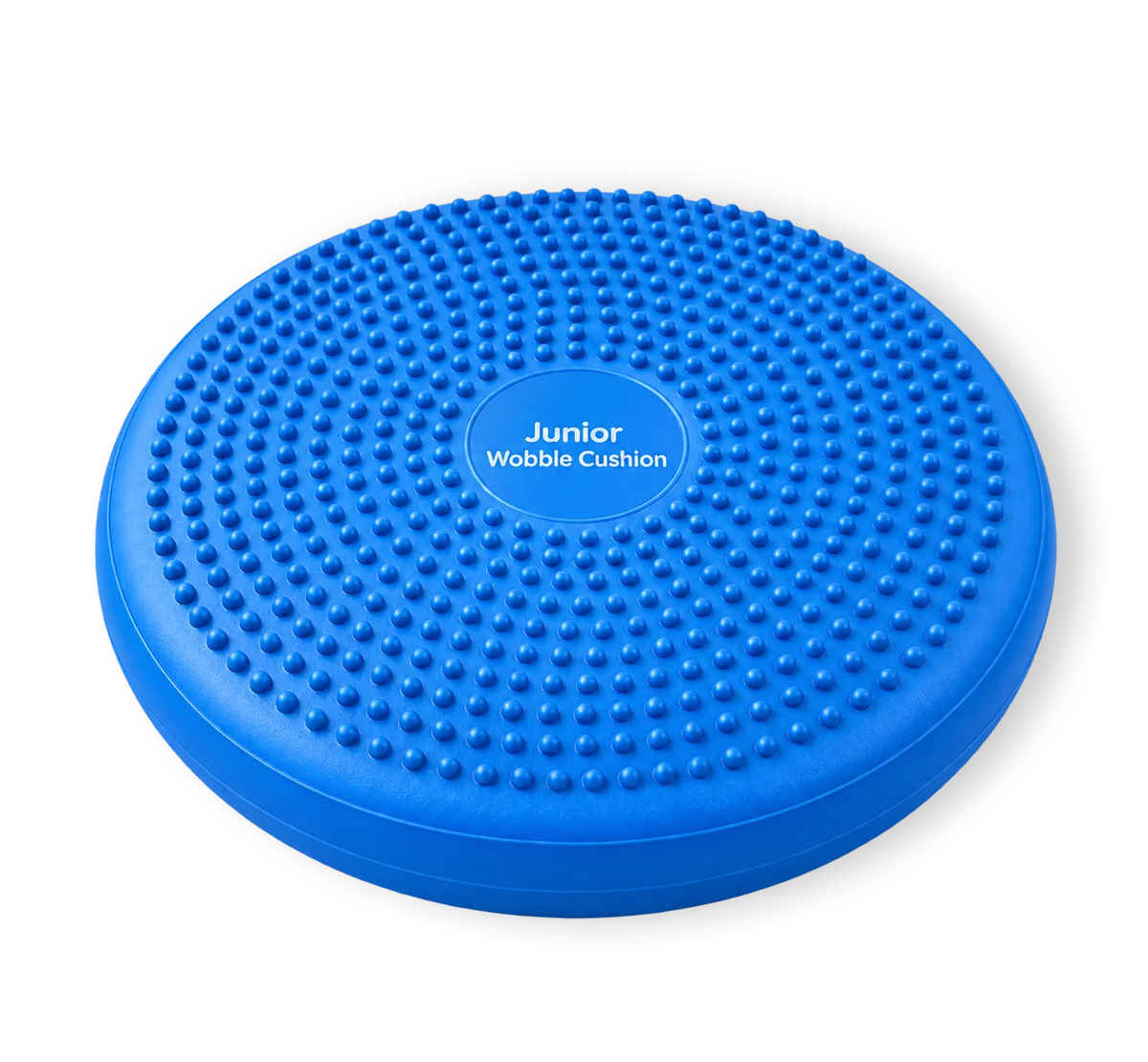
Calm & Sensory
Used by our familyThe cushion makes room for gentle movement while a child stays at the table. That can feel more realistic than expecting a body that needs to move to remain completely still.
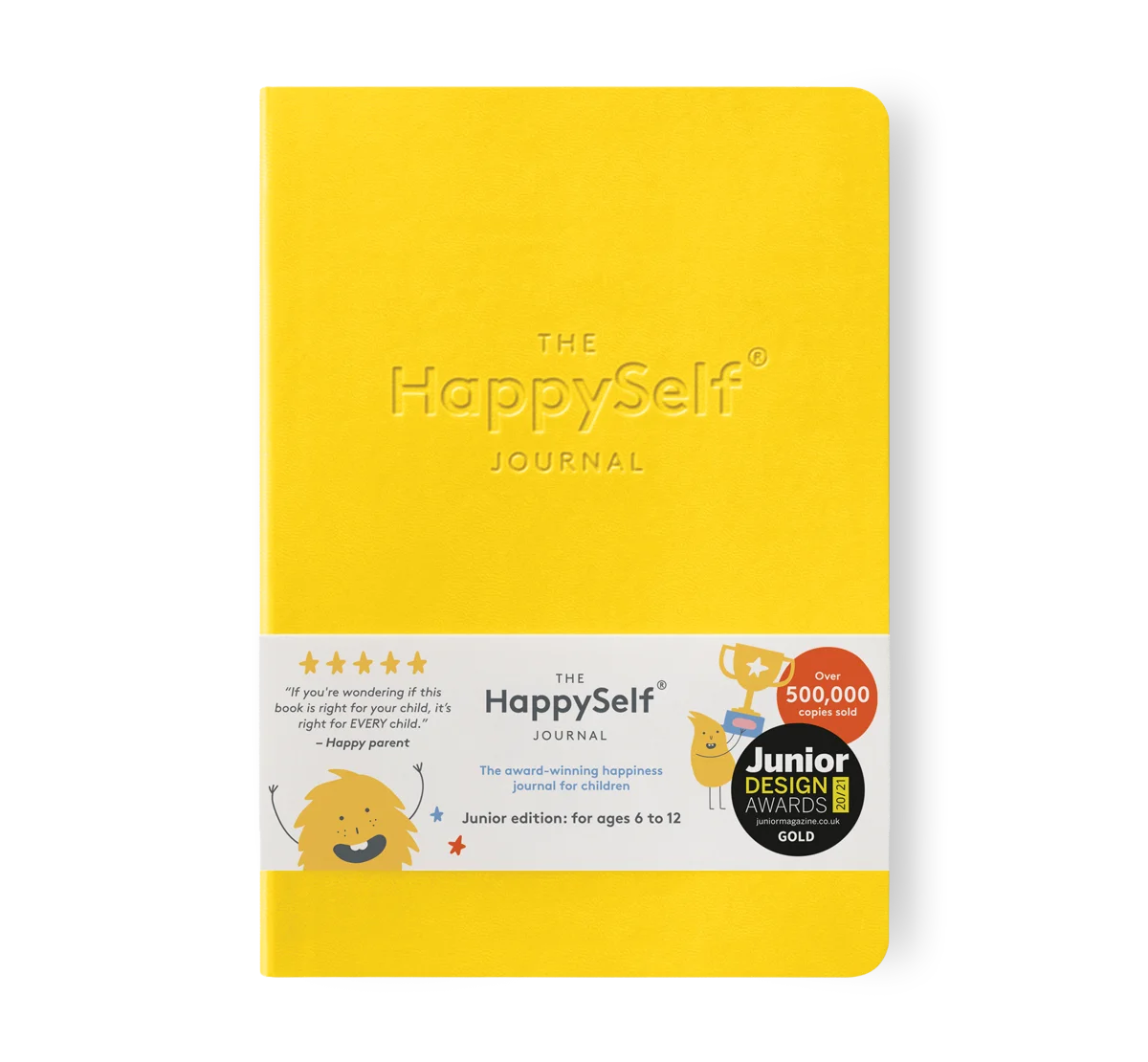
Calm & Sensory
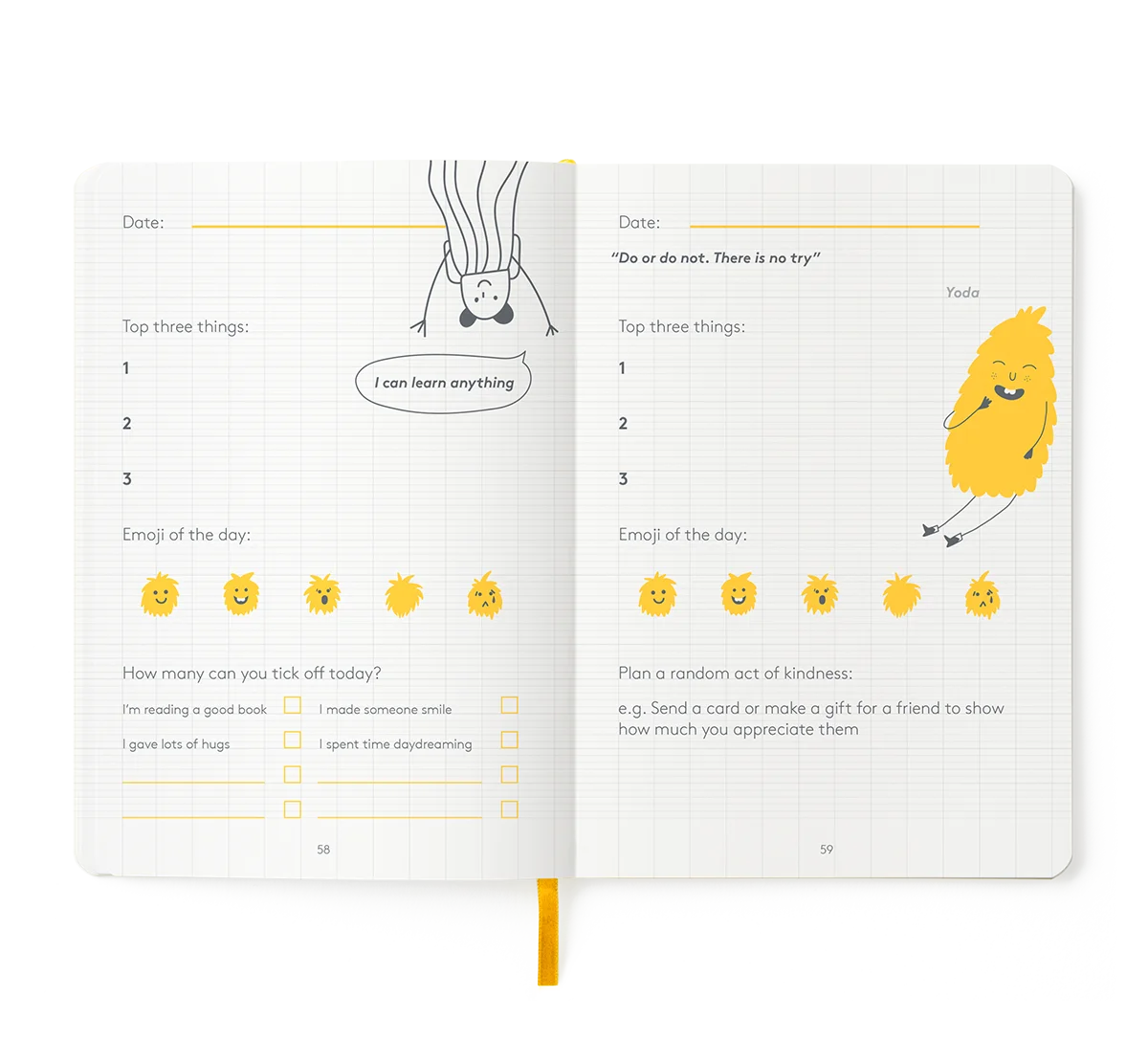
Used by our familyThe short prompts make starting easier than a blank page or a broad question about the day. It can open up low-pressure conversations about feelings, worries and good moments.
Calm & Sensory
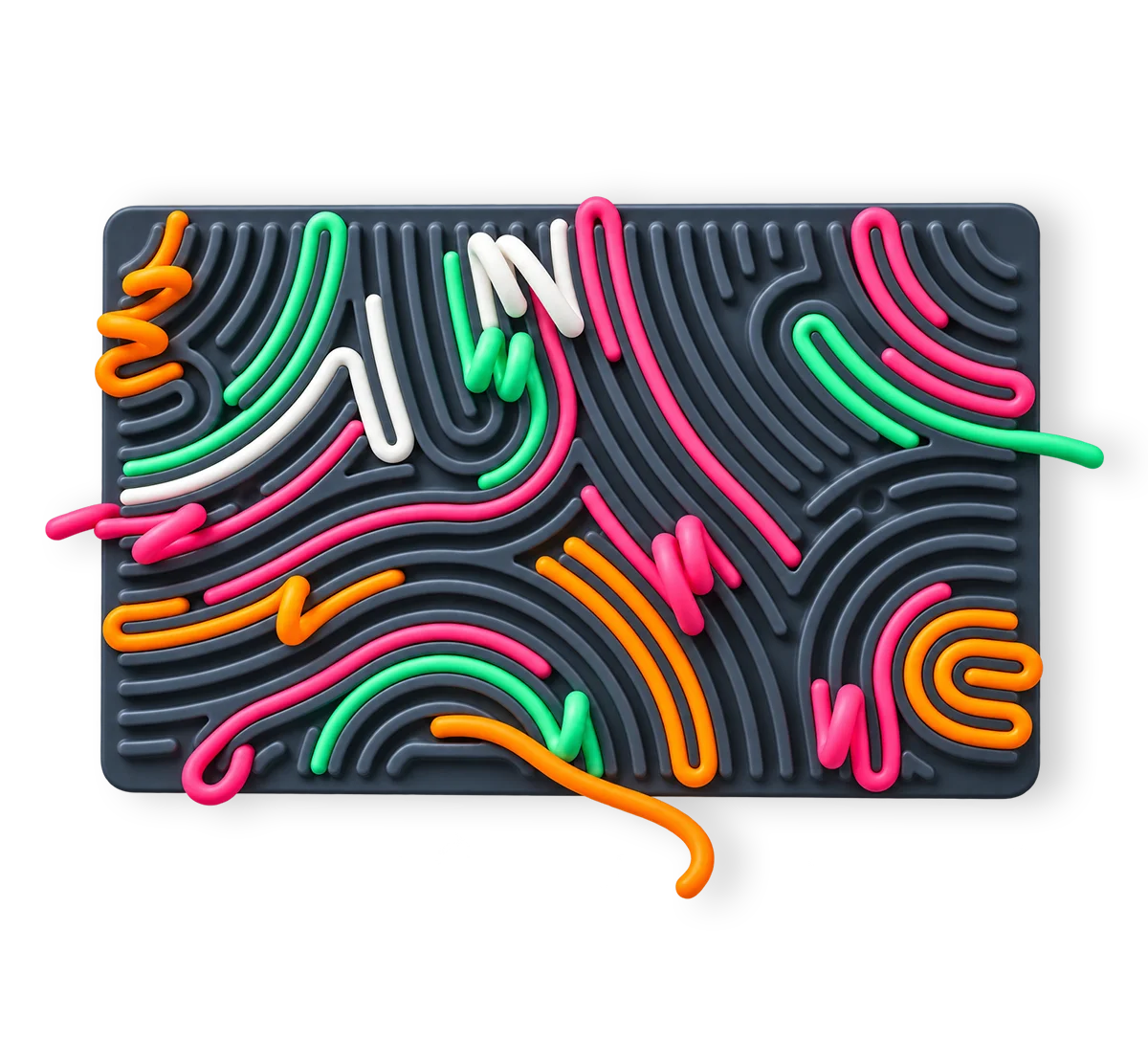
Used by our familyThe simple push-and-peel actions offer repeated tactile feedback without screens, batteries or complicated rules. It can give restless fingers a focused activity during quieter moments.
Understand & Connect
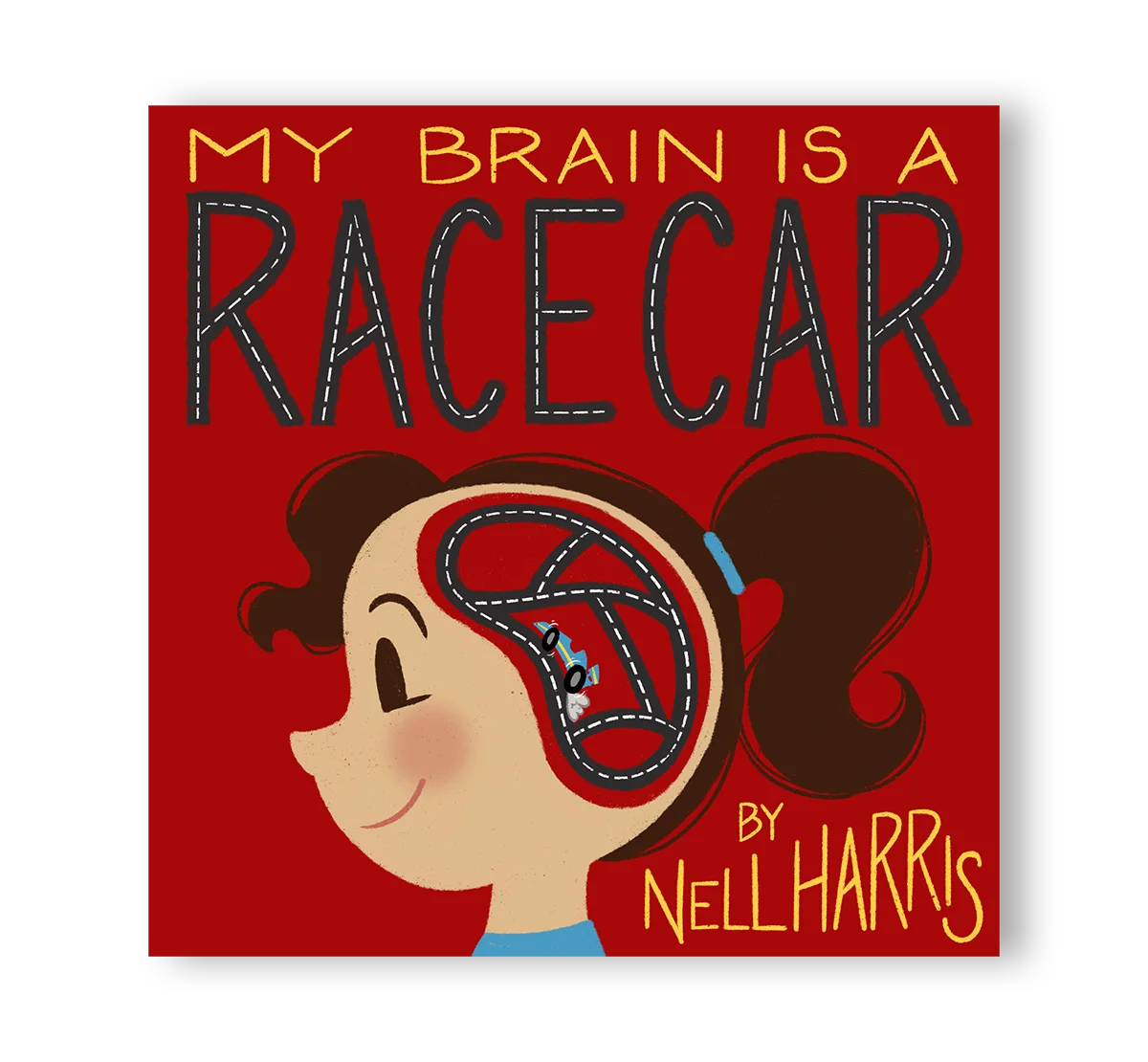
Used by our familyThe race-car idea turns an invisible experience into language children can picture. Talking about speed, brakes and pit stops can make regulation feel understandable rather than like they are being told off.
Understand & Connect
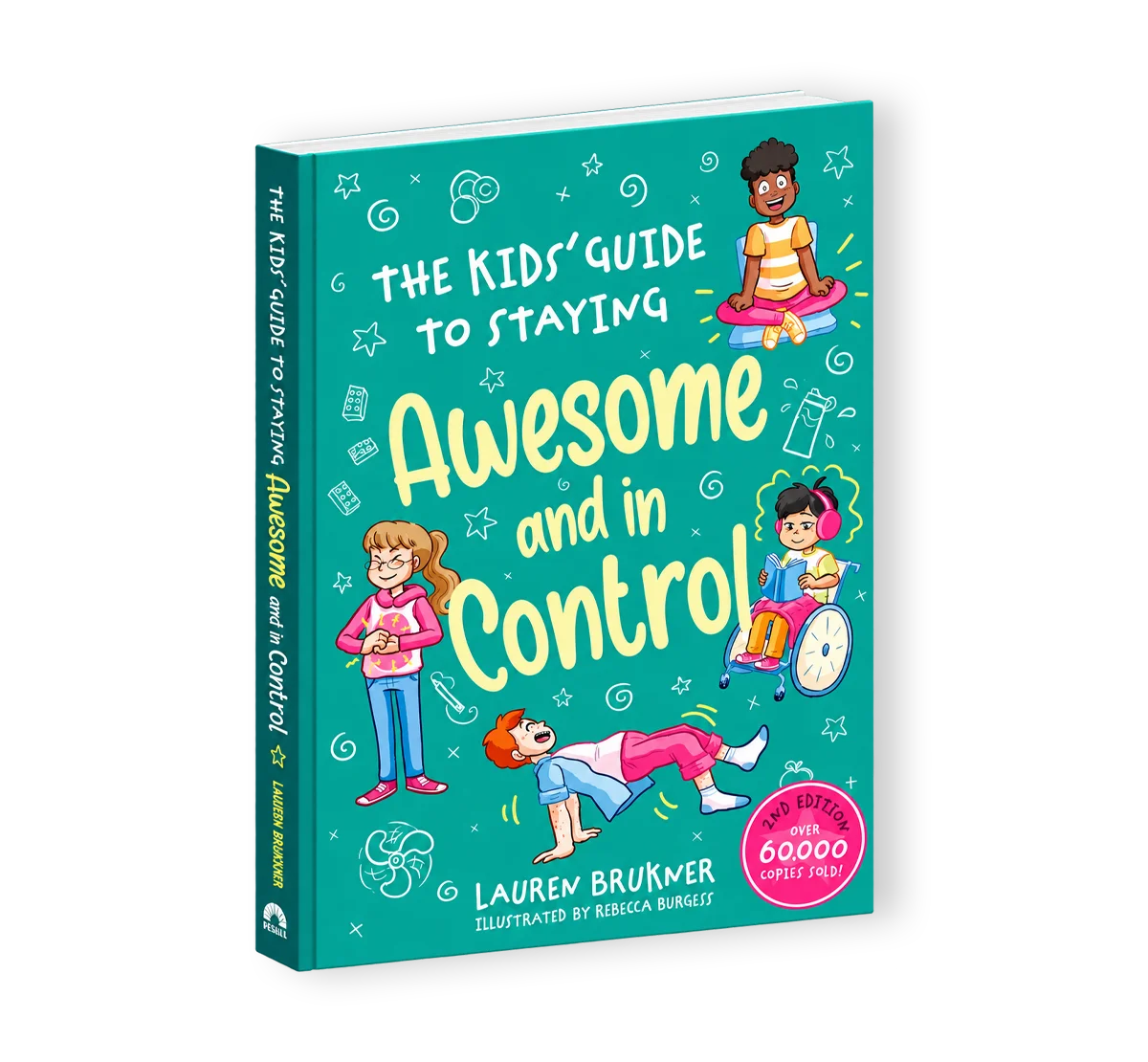
Used by our familyThe illustrated strategies give children practical ideas they can explore and choose from. That sense of choice can make support feel collaborative rather than something being imposed on them.
Movement & Energy
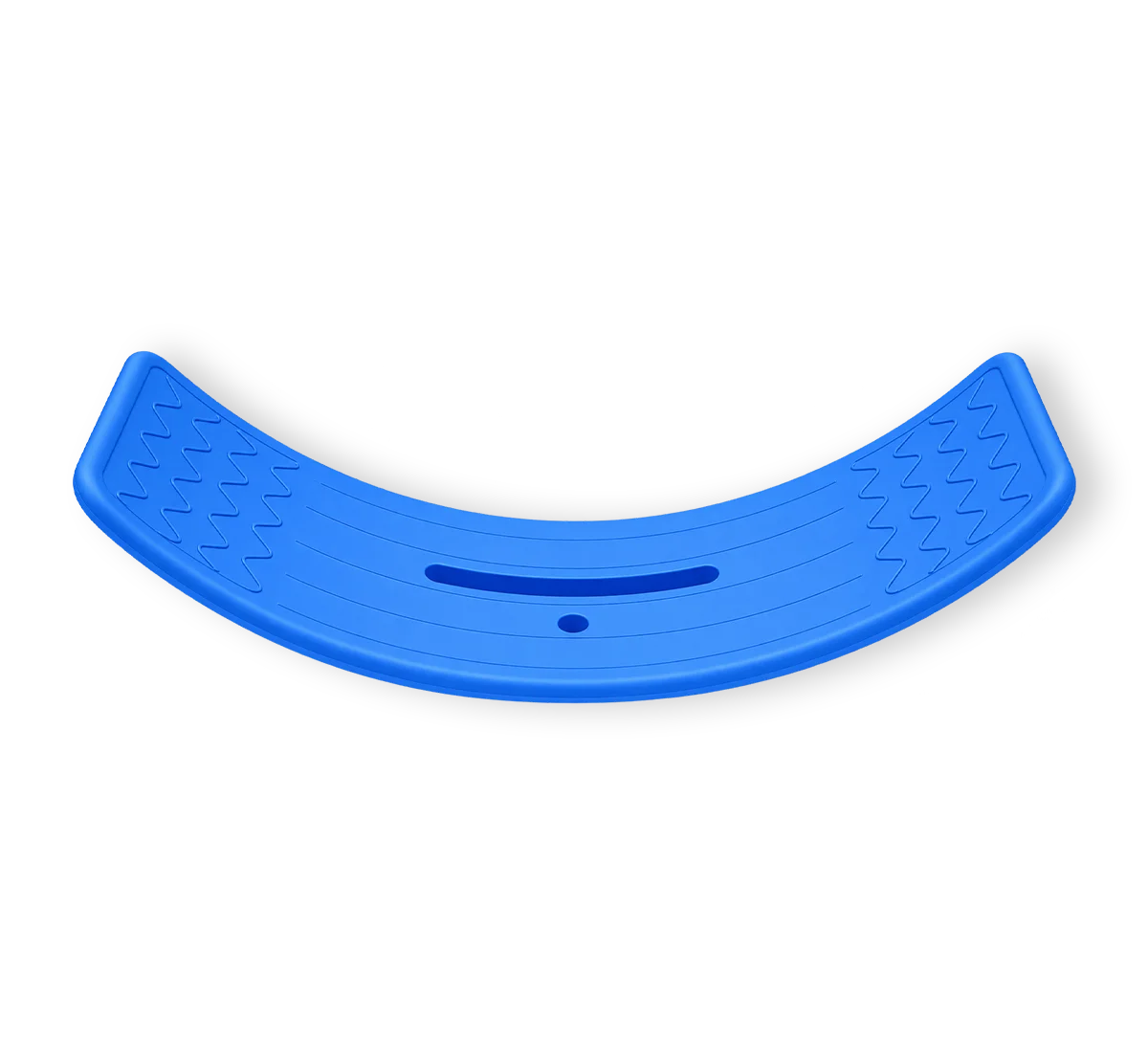
Used by our familyThis versatile balance board gives children an inviting way to rock, wobble and explore movement through play. It can support strength, coordination and confidence during active play, a sensory routine or a quieter focused movement break.

Movement & Energy
Used by our familyA foam pogo jumper turns bouncing into a simple, energetic challenge without the height or hard frame of a traditional pogo stick. It is compact, affordable and easy to bring out for a quick body break.
Sleep & Rest
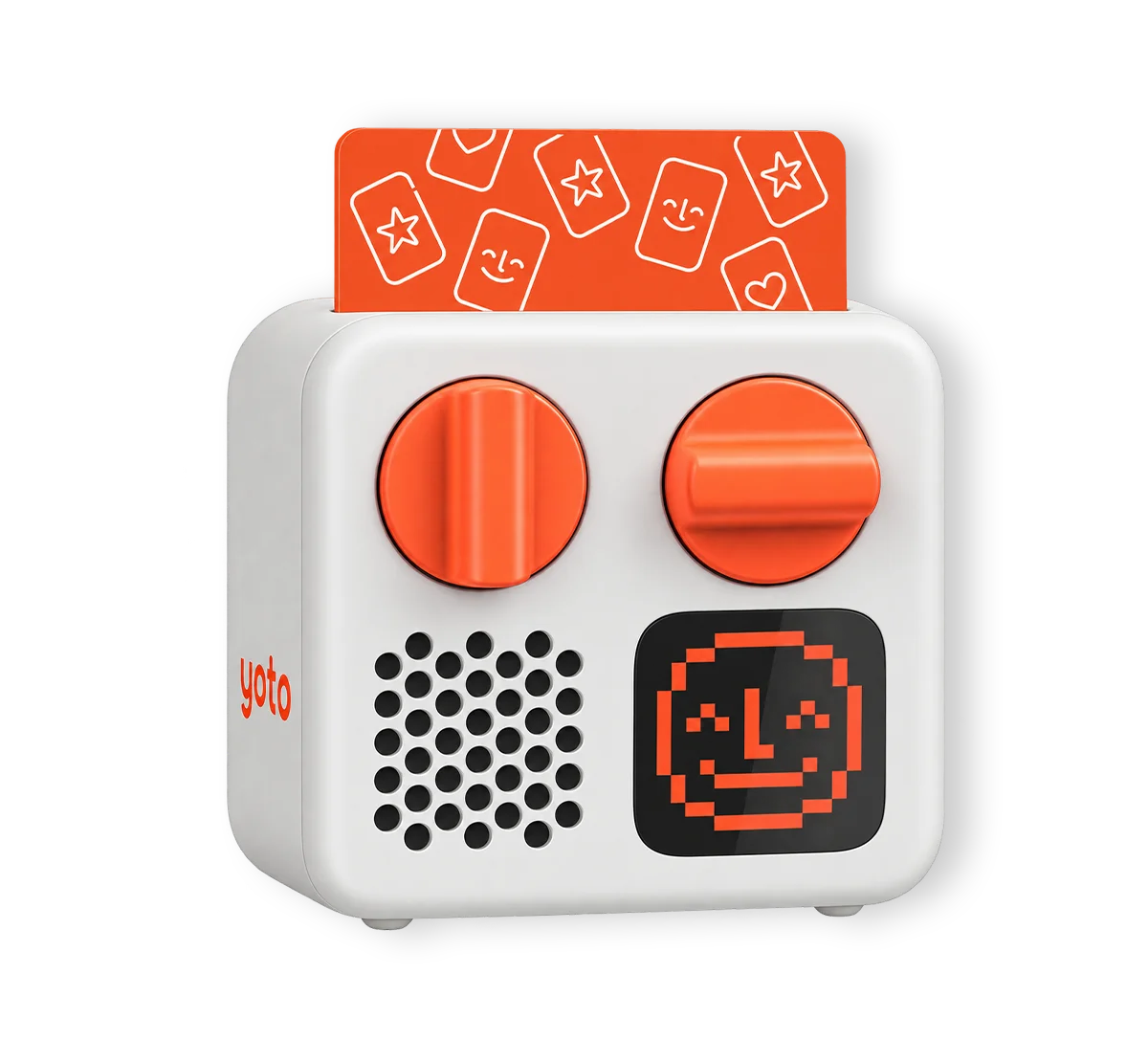
Used by our familyThe compact card player lets children choose a story independently without introducing another screen. It is easy to move between bedrooms, journeys and other quiet-time spaces.
Sleep & Rest
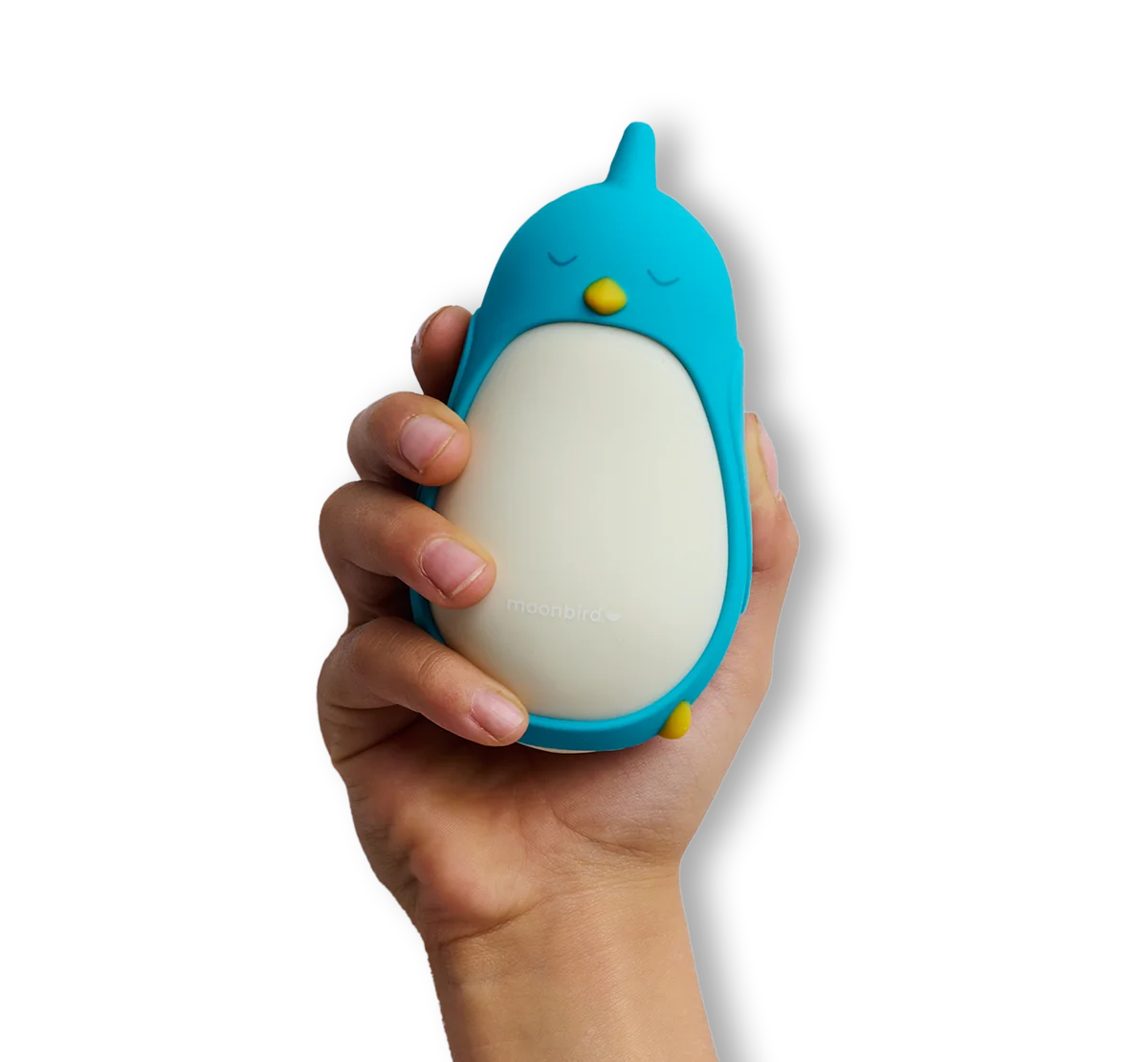
Carefully researchedThe gentle expansion and contraction turns paced breathing into something a child can feel and follow without having to time each breath. It offers a simple, screen-free way to slow down at bedtime or during an overwhelmed moment.
Sleep & Rest
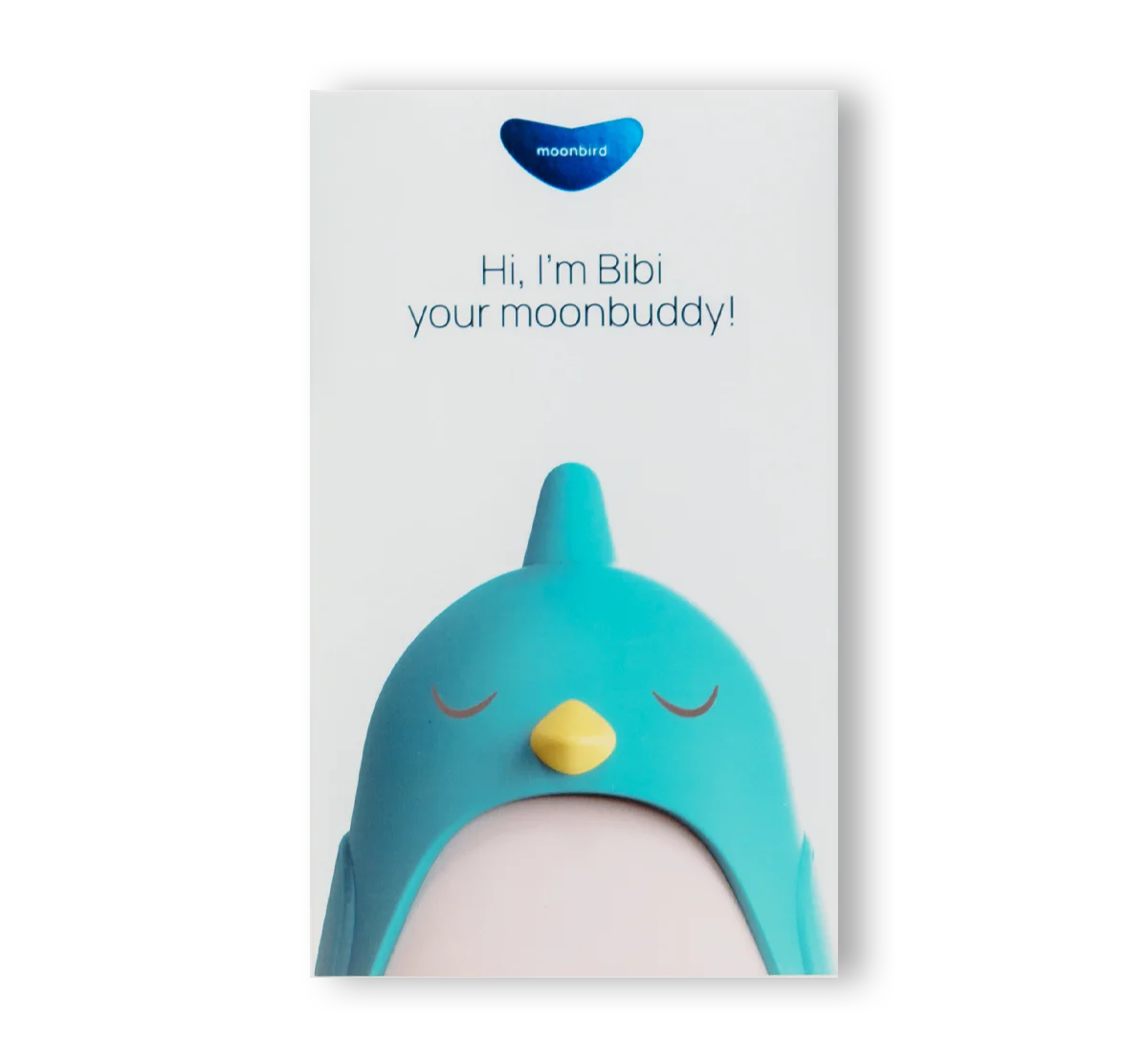
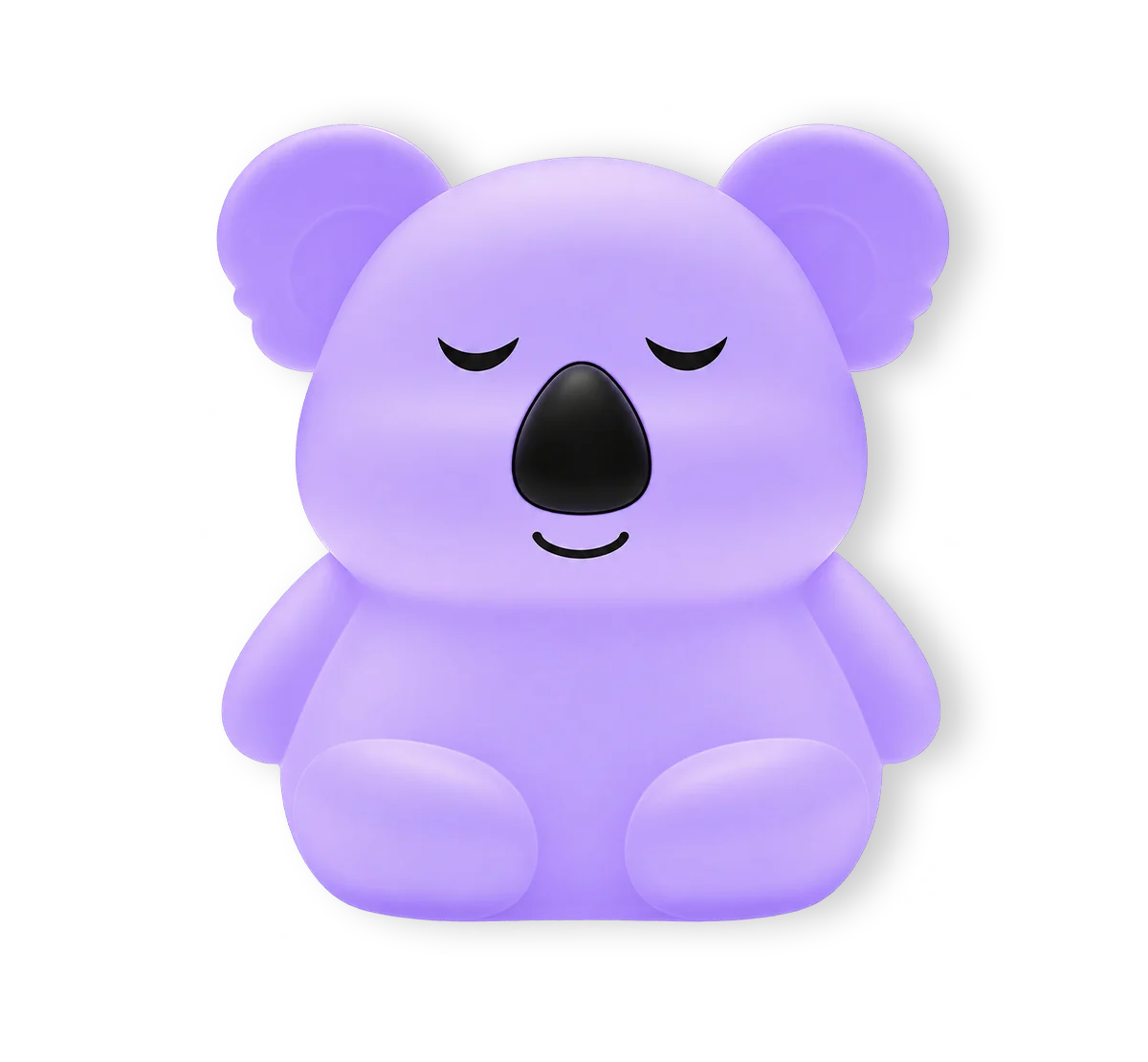
Used by our familyA soft, friendly breathing companion can make a calming exercise feel less clinical and easier to join in with. Following its gentle rhythm gives children one simple thing to focus on when thoughts feel busy.
We have used every product in this collection apart from Loop Engage Kids 2 and Moonbuddy, which are clearly marked as carefully researched. Our recommendations are parent-led rather than medical advice, and every child is different. Some links may earn us a small commission at no extra cost to you. How affiliate links work
From our family
Morning routines
From preparing the night before to visual reminders, movement and stories, these are the five changes that have taken some of the pressure out of getting ready for school.
Read the guide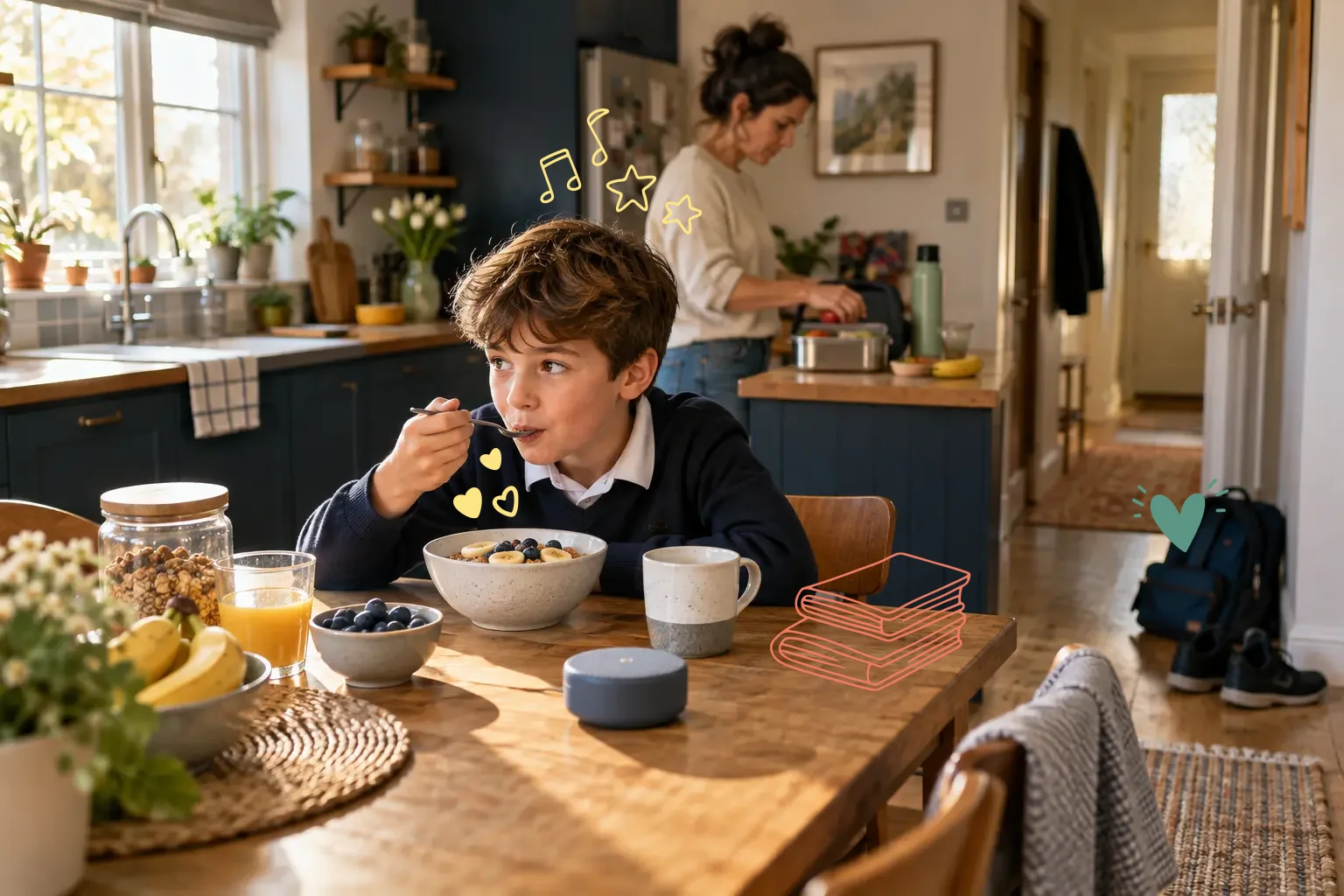
Seasonal ideas
Gentle, practical ideas for making a big, exciting night feel a little more manageable.

Halloween
Simple ways to make costumes, plans, trick-or-treating and the excitement around Halloween feel a little more manageable.
Read the guide
Halloween
A child can love Halloween and still find the noise, waiting, costumes, darkness and change of routine a lot to take in.
Read the guide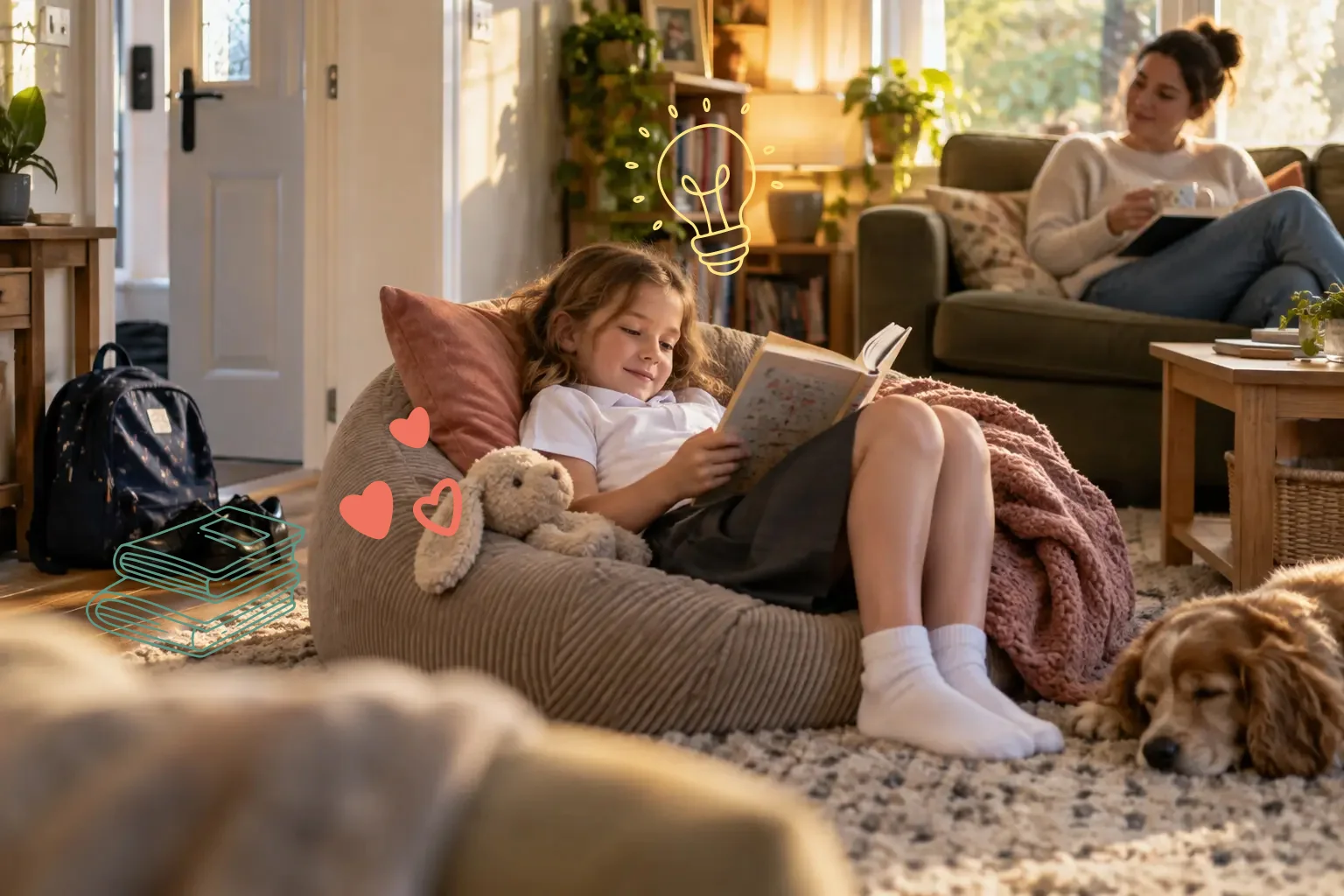
After school
Simple ways to soften the transition home with less noise, familiar listening, breathing and movement.
Read the guide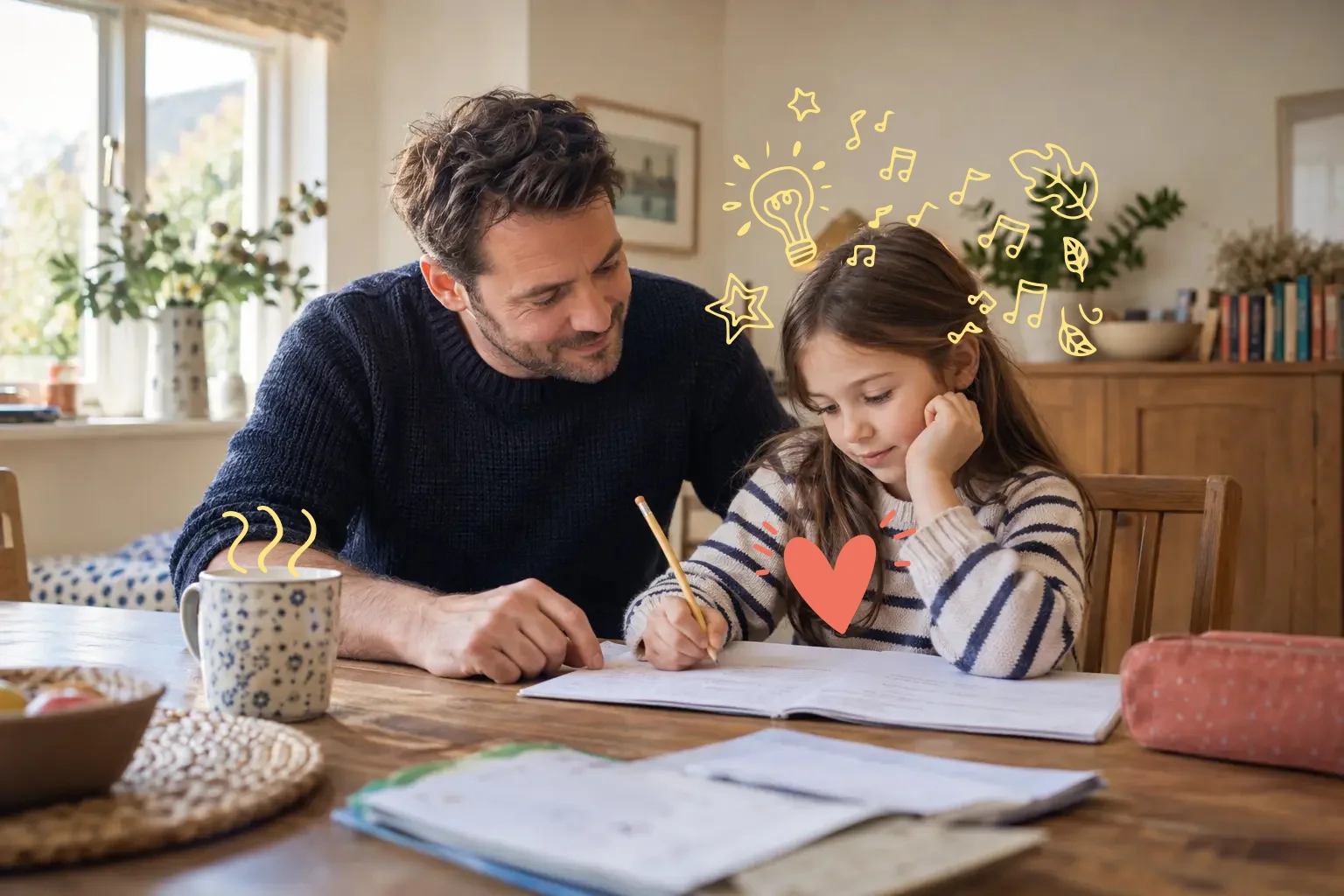
Homework and focus
Parent-led ideas using food, movement, small steps and encouragement to make beginning feel a little more manageable.
Read the guide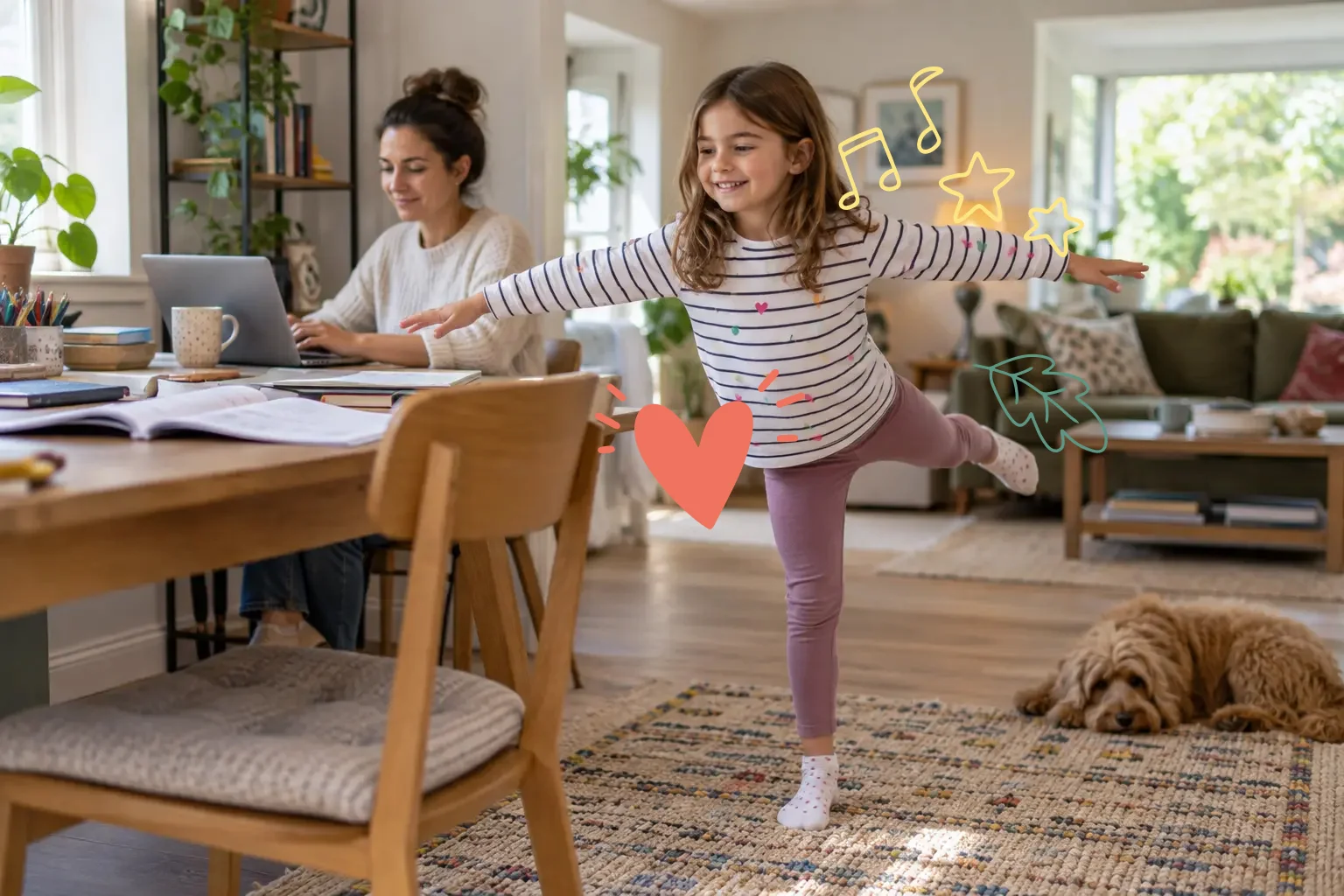
Movement
Quick, realistic ways to build purposeful movement into homework, play and everyday routines.
Read the guide
Travel
A compact mix of listening, fidgeting and hands-on activities for long waits and journeys.
Read the guide
Out and about
Low-pressure ideas to keep hands and minds gently occupied when waiting feels especially long.
Read the guide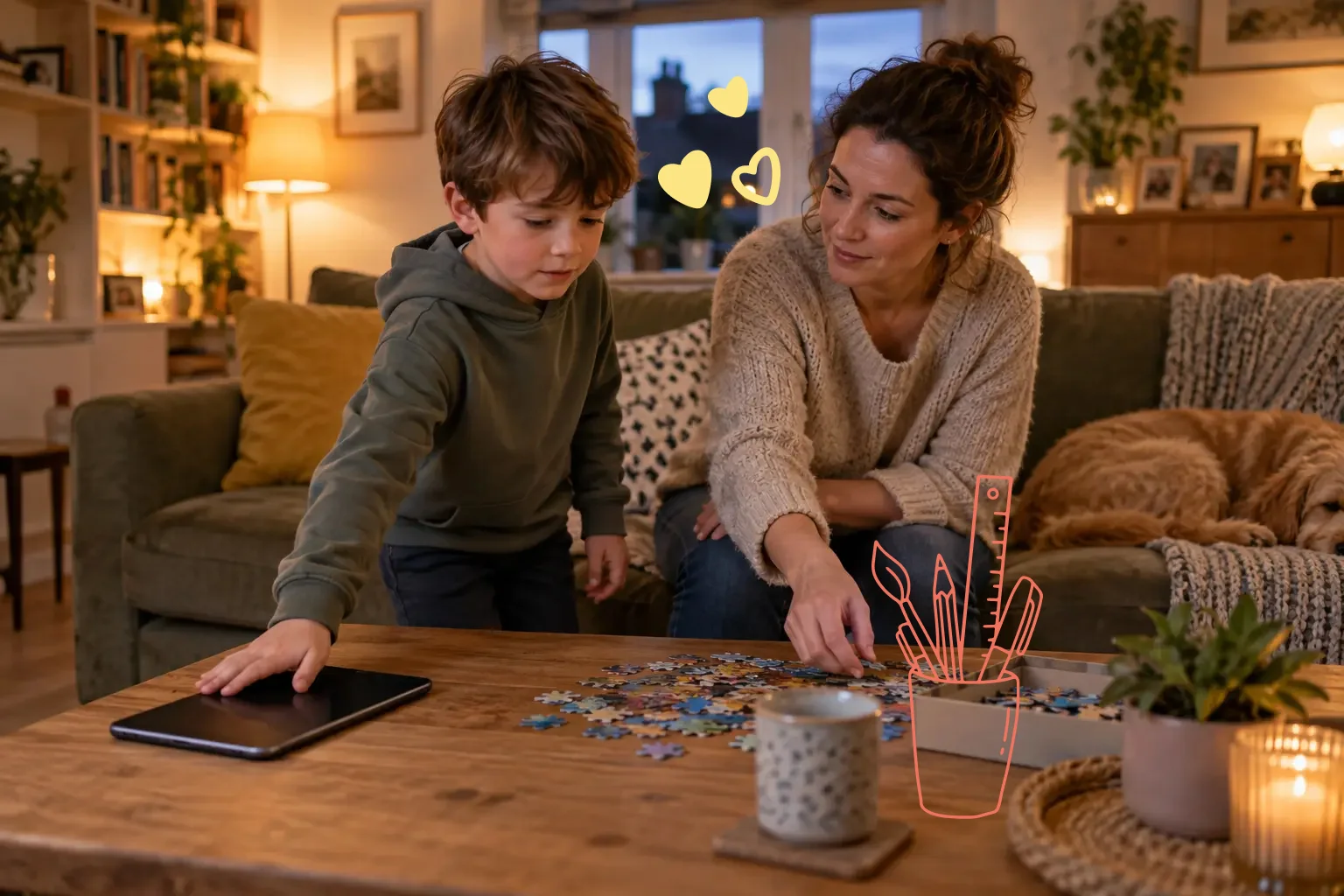
Transitions
Clear warnings, visible time and appealing next activities to make the change feel less abrupt.
Read the guide
Calm and sensory
A small, flexible setup for breathing, quiet activity and screen-free listening when things feel too much.
Read the guide
Understand and connect
Child-friendly books and prompts that can make conversations about ADHD feel clearer and more reassuring.
Read the guide
Sleep and rest
Gentle ways to make bedtime more predictable with visual prompts, stories, breathing and reflection.
Read the guide
Why we started
After our son’s ADHD diagnosis, we found ourselves searching through endless products and wondering what might genuinely help. We now share what has worked for our child, alongside carefully researched options we believe are worth knowing about.
How we choose
Most products here have been used by our family and are labelled clearly.
If we have not used something ourselves, we say so rather than implying that we have.
What it may help with, when it could be useful and who it may suit.