

Why this moment can feel difficult
A diagnosis can answer questions for adults, but a child needs language that belongs to them. We want ADHD conversations to include strengths, challenges and practical support without pretending that everything is easy.
Books and journals can take some pressure off the first conversation. You do not have to explain everything in one sitting; a shared phrase or one useful page may be enough for today.
1. Begin with a memorable picture of the brain
Metaphors can make an invisible difference easier to discuss. A racing brain is a starting point for talking about speed, ideas, distraction and the need for help with steering.
My Brain Is a Race Car uses an accessible visual idea. Read it together and pause when your child recognises something, rather than trying to turn the whole book into a lesson.

An illustrated explanation that gives families an approachable metaphor for a busy ADHD brain.
View on Amazon2. Build a wider language for regulation
Children may know that something feels wrong without having words for what their body or attention needs. A practical guide can introduce different ways of feeling settled and in control.
The Kids’ Guide to Staying Awesome and in Control covers sensory and regulation ideas. Some sections may resonate more than others, so dip in rather than expecting a cover-to-cover read.
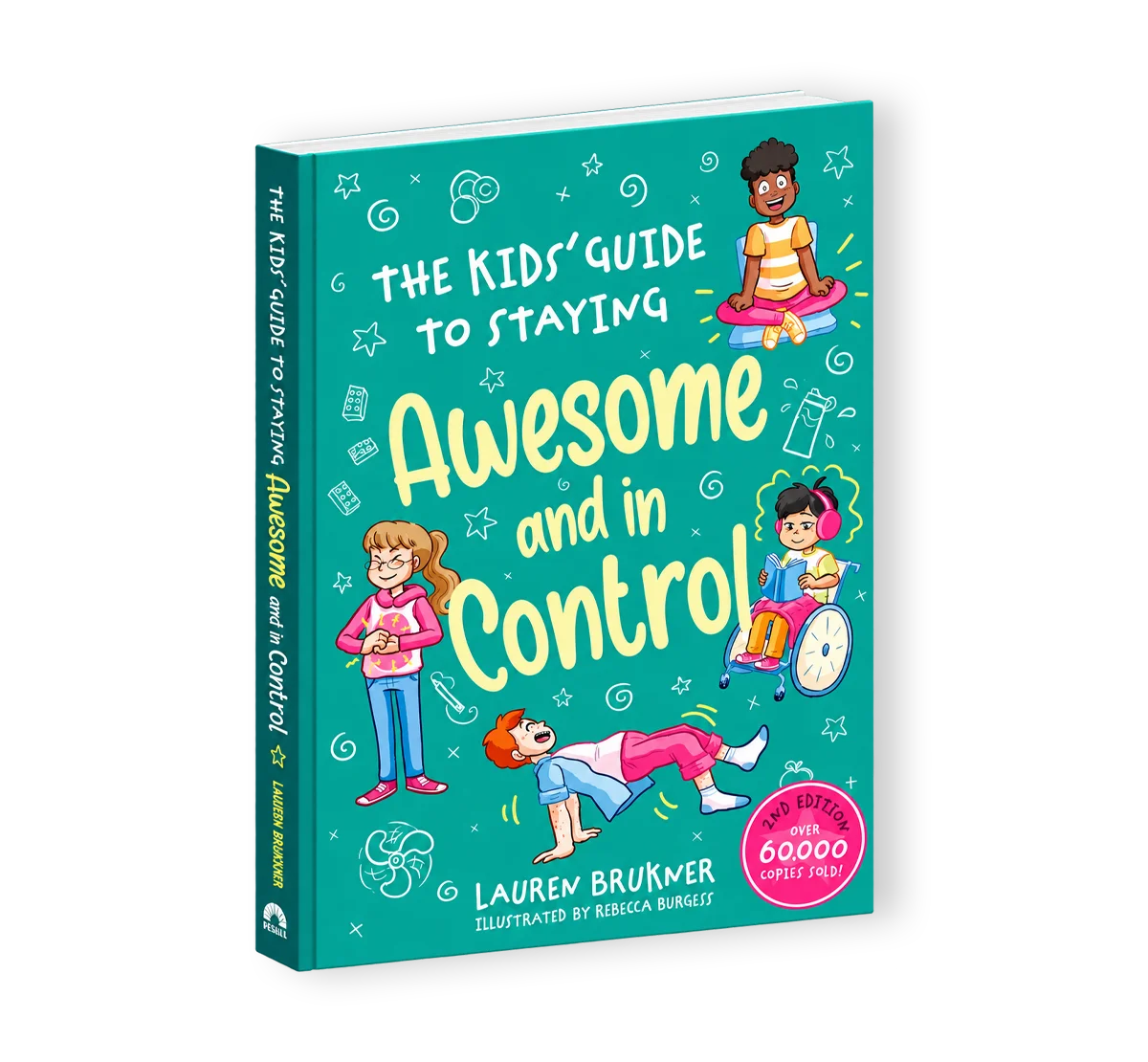
A child-focused guide to sensory needs, regulation and finding strategies that feel useful.
View on Amazon3. Give thoughts somewhere private to land
Not every child wants to talk face to face. Writing or drawing can make reflection feel less intense and give parents a gentler opening later.
The HappySelf Junior Journal provides short prompts rather than a blank page. Respect the child’s privacy and avoid making it another daily task that must be completed.
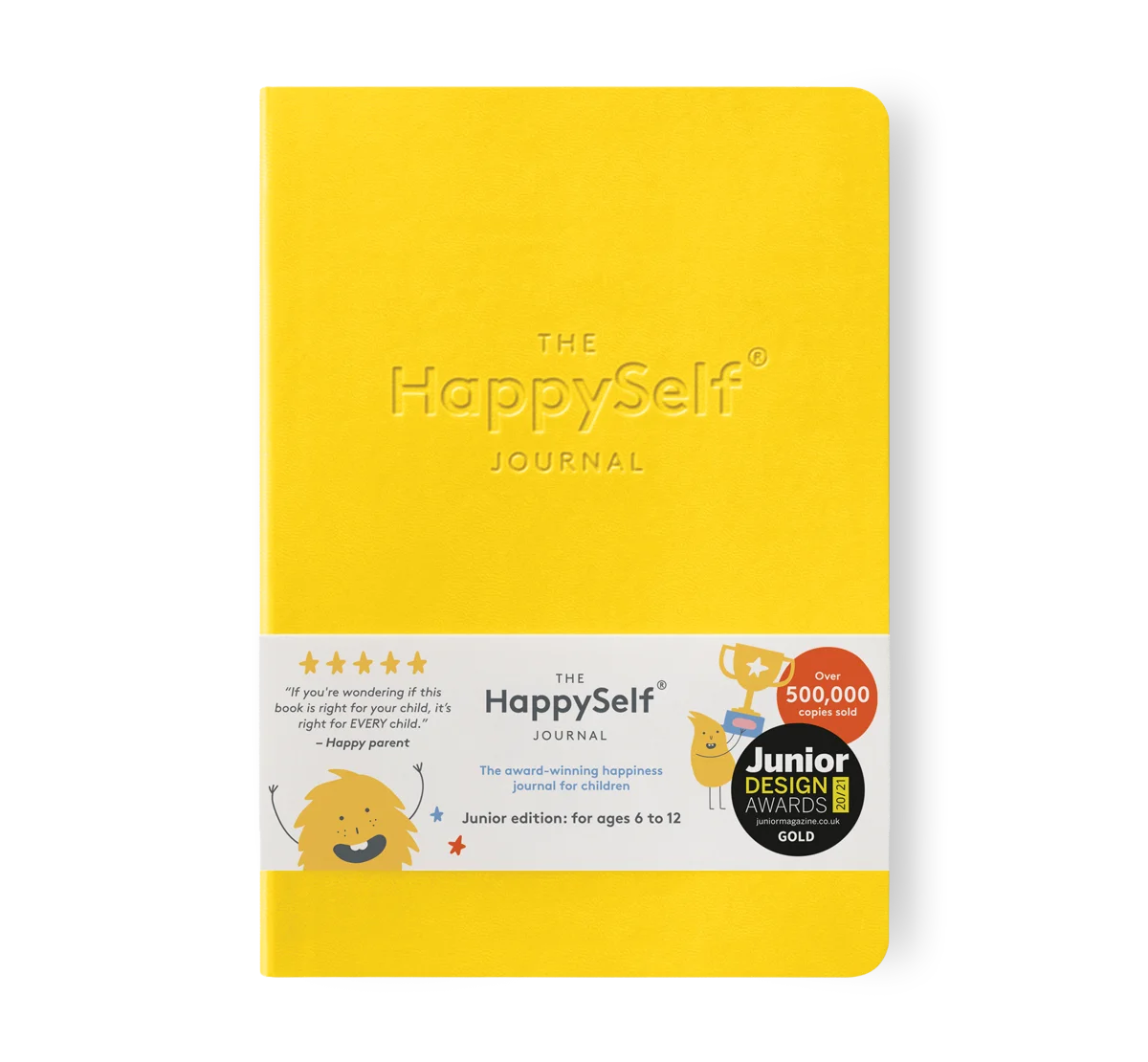
Guided pages that can help children notice feelings, strengths and everyday experiences in their own time.
View on AmazonThe aim is not to give a perfect explanation. It is to make ADHD something a child can ask about without shame.
Keep it flexible
Follow the child’s questions and correct misunderstandings simply. It is fine to say that you are still learning too.
These resources are conversation starters, not diagnostic tools or substitutes for personalised professional advice. Their value is in helping a child feel understood and included.
Looking for something else?
Browse all of our parent-led product recommendations for routines, focus, calm, movement and sleep.
Browse all recommended productsThis is parent-led general information rather than medical advice, and every child is different. This article contains affiliate links. If you buy something through one of these links, we may receive a small commission at no extra cost to you. Read our affiliate disclosure.