The challenge isn’t always the routine. Sometimes it’s the rush.
The mornings we find hardest are usually the ones when we are more strapped for time. Perhaps our child has woken a little later than usual, one parent has already left for work, and the other is trying to make breakfast and prepare a packed lunch at the same time.
When that happens, it is very easy to start announcing everything that still needs to be done: finish breakfast, get dressed, clean your teeth and put your shoes on. We might think we are being helpful, but four instructions at once are simply too much for our child to hold on to. He may do them in a different order, forget one completely or become overwhelmed before he has really started.
We have learned that showing our own panic doesn’t help him move any faster. Our aim now is to reduce how much he needs to remember and keep the atmosphere as steady as we can. These are the five things that have helped us most.
1. Do what we can the night before
The simplest change has been reducing the number of decisions left for the morning. We help plan his clothes and school bag the night before. We will even line his shoes up beside the door so they are ready when he needs them.
None of this is particularly clever, and we certainly don’t manage it every evening. But every job moved out of the short before-school window is one less potential sticking point. The morning feels calmer when he isn’t searching for something or being asked to make another quick decision.
2. Let the routine chart do some of the reminding
We don’t want to follow him around continually reminding him what he needs to do. It is frustrating for us and can quickly feel like pressure to him.
Our morning routine chart gives him a visual reminder of the steps instead. He doesn’t have to remember a list of spoken instructions or keep asking what comes next; he can look at the chart and find the next job for himself. We can also point him back towards it without reeling off the entire routine again.
It hasn’t removed every reminder, but it has made those reminders shorter and less personal. The chart carries some of the mental load that would otherwise sit with him or with us.
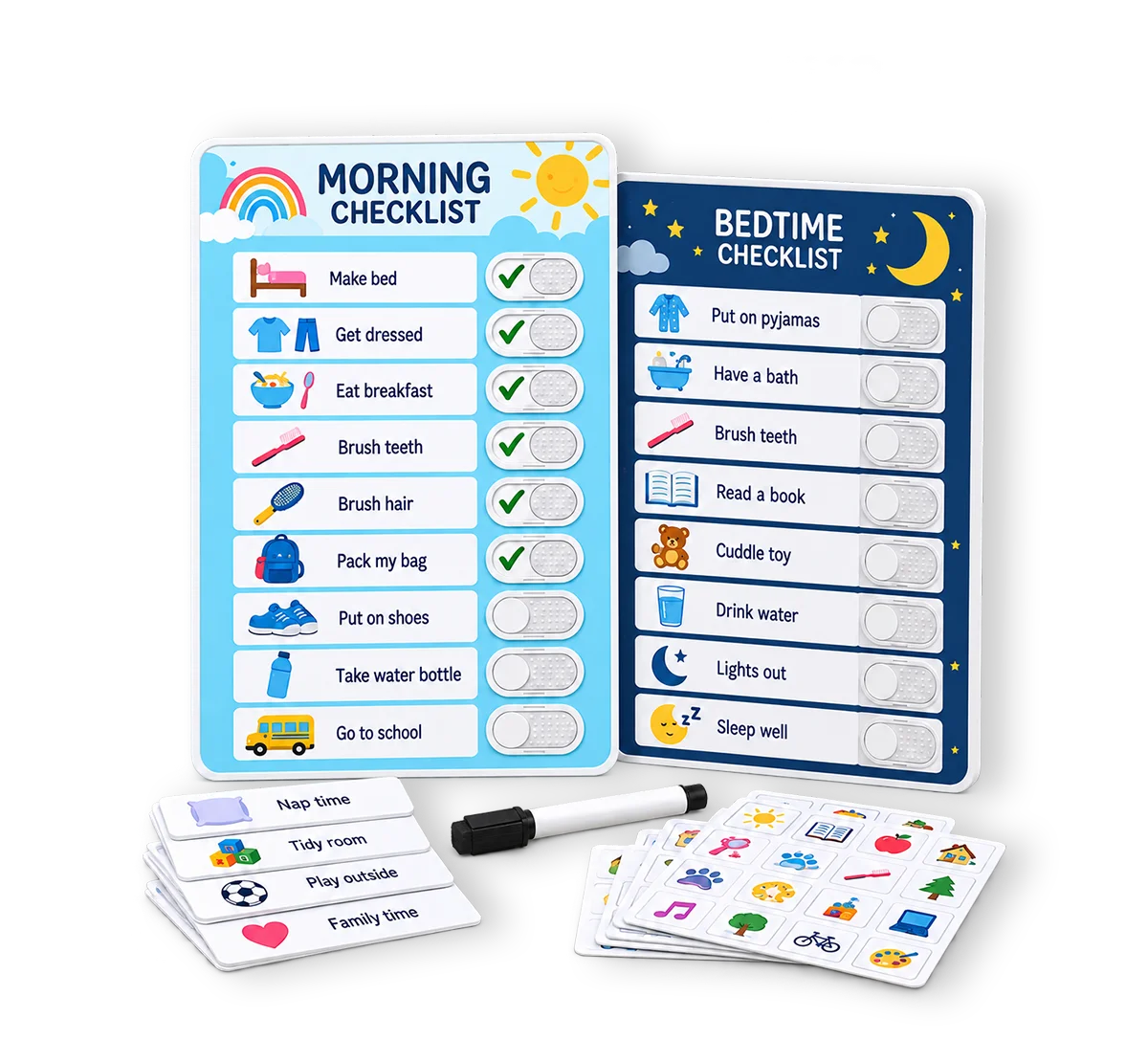
A simple visual checklist that keeps the next step somewhere our child can see it.
View on Amazon3. Make leaving time something he can see
About 30 minutes before we need to leave, we set our Time Timer MOD. Before using it, our child would often ask how long was left, and we would keep reminding him that it was nearly time to go. Neither of those things made the morning feel particularly relaxed.
The timer makes the remaining time visible. He can glance at it without needing to ask, and we don’t have to keep calling out updates from across the room. It takes us out of the role of being the clock and gives him a much clearer warning that a transition is coming.
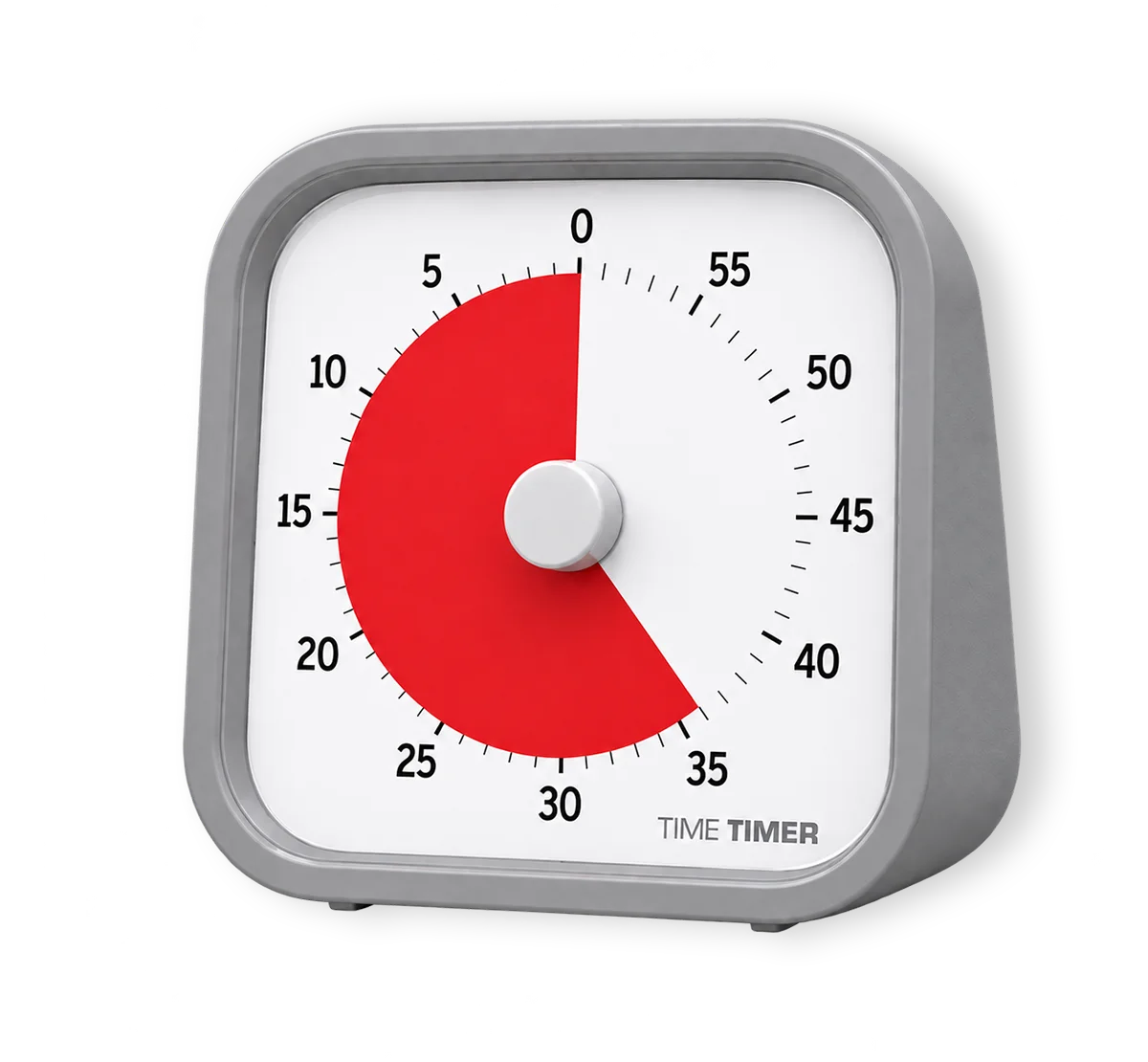
A visual countdown that helps our child see how much of the morning remains.
View on Amazon4. Make breakfast easier to stay with
A good breakfast matters to us because we have noticed that a protein-rich breakfast tends to help our child’s general mood. But sitting still long enough to eat it can be another challenge. Without something that works for him, he will often stand up and eat while moving around.
He now sits on a wobble cushion at the table. He can shuffle and gently move while staying in his seat, which usually means he remains at breakfast for longer. We are not asking his body to be completely still before the school day has even begun.
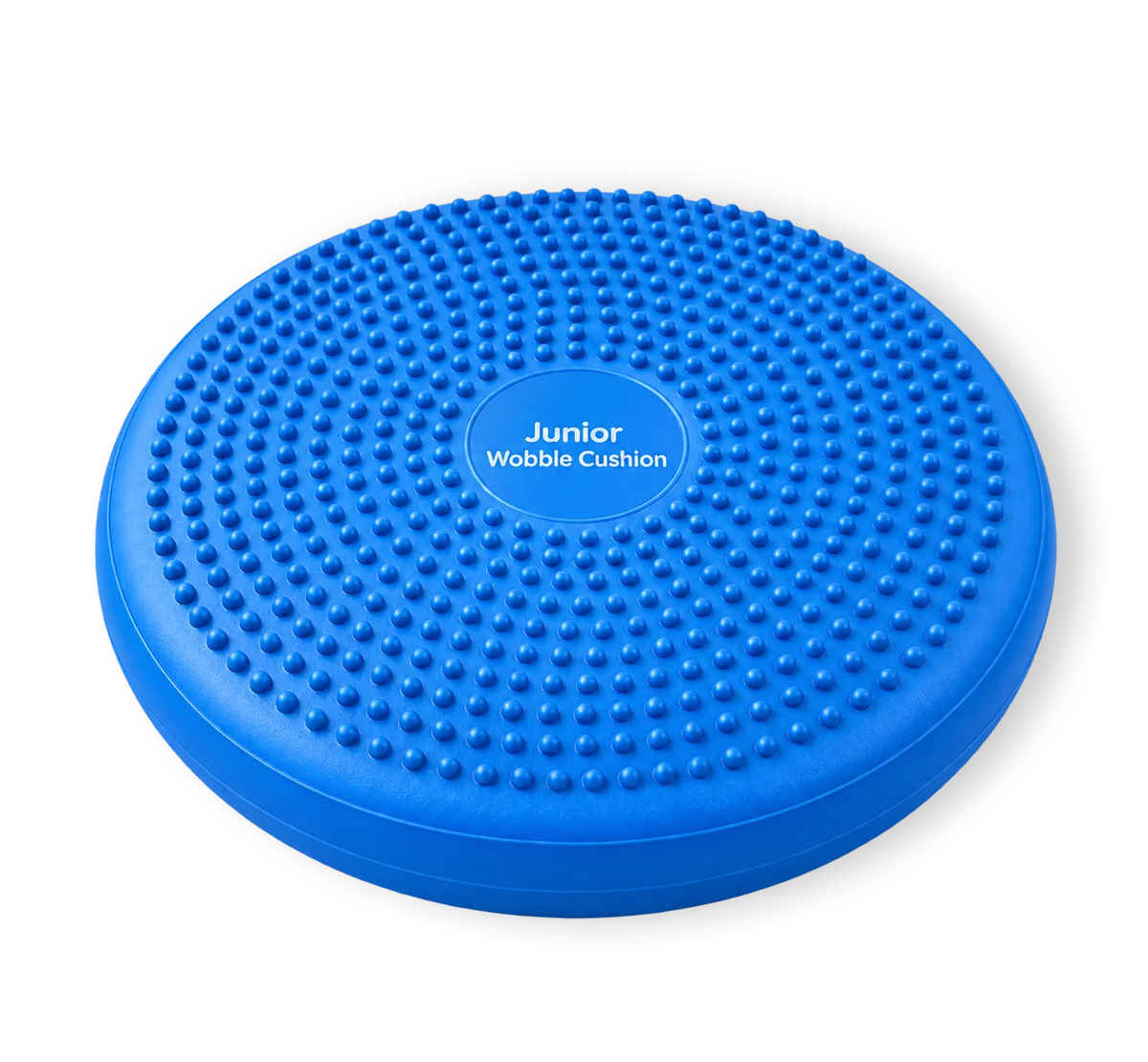
It gives him space to move at the table while still staying with breakfast.
View on Amazon5. Let a familiar story soften the morning
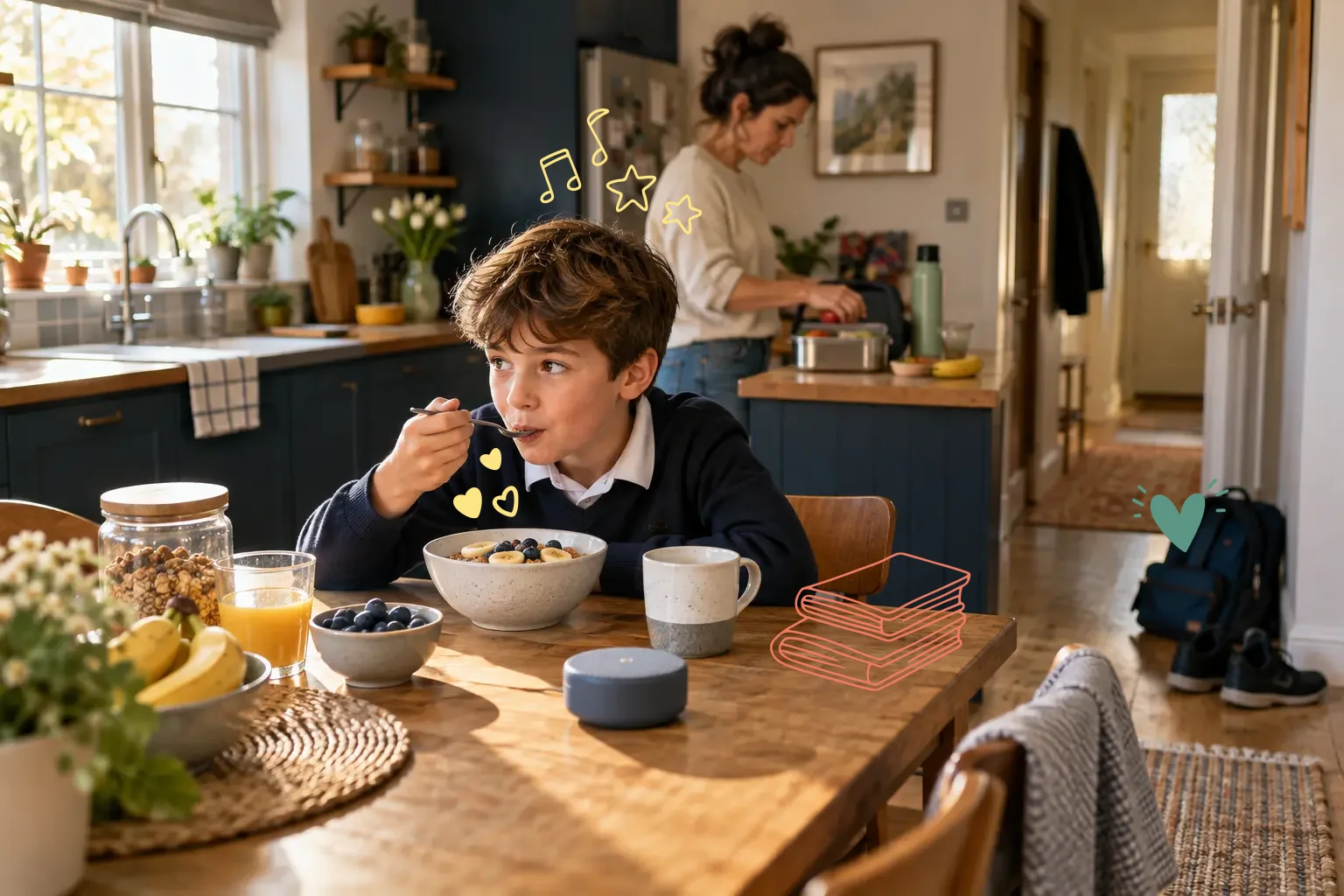
We don’t usually sit down for breakfast together on a weekday because one of us is often preparing lunch or getting the final things ready. Having his Yoto Mini playing means breakfast doesn’t feel quite so solitary or functional.
A story gives his mind something enjoyable to follow and helps him relax at the table. He is currently working his way through the Roald Dahl collection. When he is absorbed in a story, breakfast tends to happen naturally rather than feeling like another instruction he has been given.
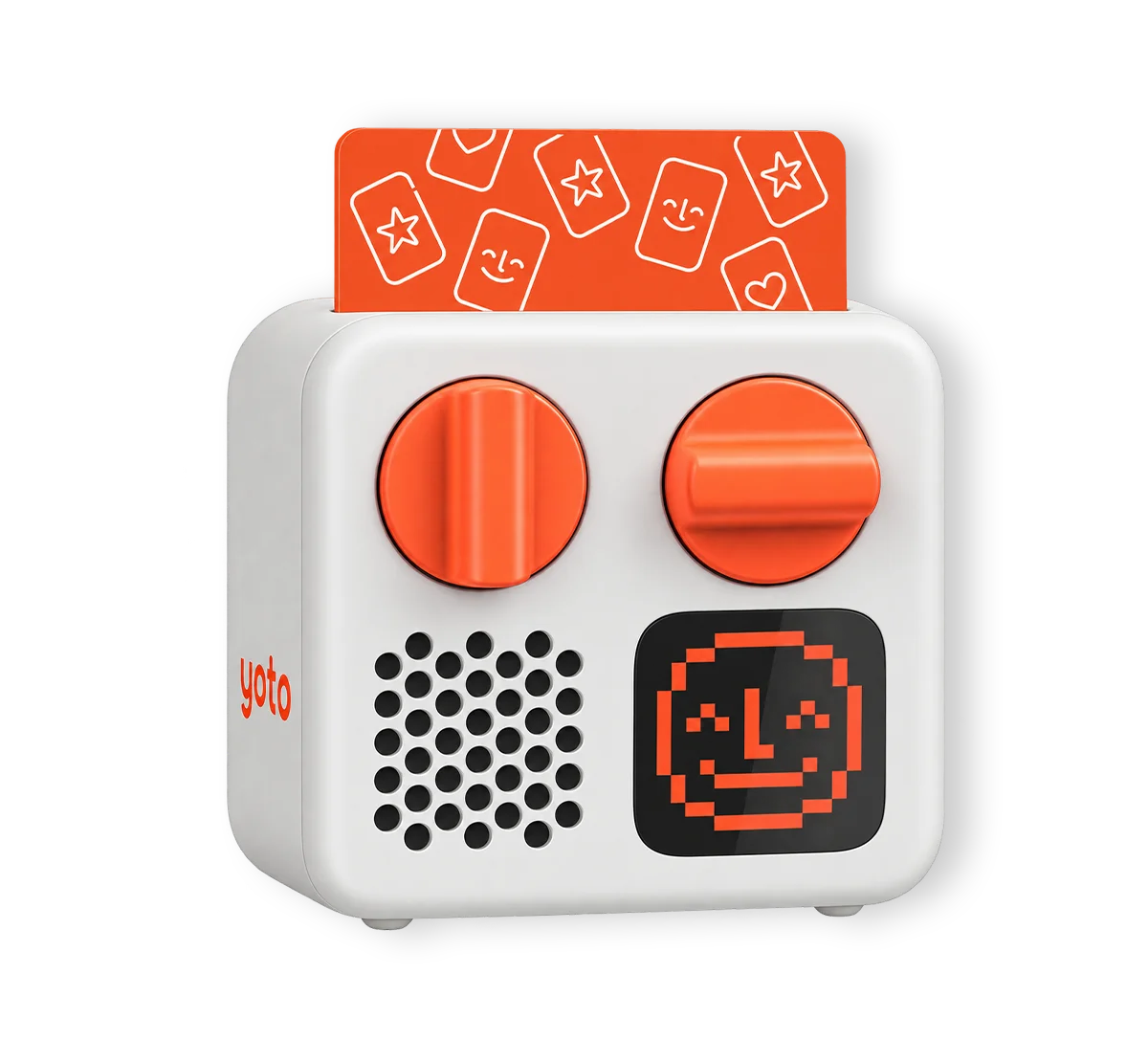
A screen-free story player that helps make breakfast feel like a gentler part of the routine.
View on AmazonThe goal isn’t a perfect routine. It’s for him to leave the house feeling happy and ready for the day.
It still doesn’t always go smoothly
There are mornings when we haven’t prepared everything, someone wakes late or we catch ourselves giving too many instructions again. A routine chart, timer or wobble cushion cannot make family life perfectly predictable.
What these things do is remove a few points of pressure. There is less for our child to hold in his head, less for us to repeat and a little more room for everyone to stay calm when the clock is moving faster than we would like.
For us, a good morning is not one where every task has happened at exactly the right minute. It is knowing he has eaten a good breakfast, understood what he needed to do and left the house in a happy mood. That gives us a little more confidence that the rest of his day will go well too.
Looking for something else?
Browse all of our parent-led product recommendations for routines, focus, calm, movement and sleep.
Browse all recommended productsThis is our family’s experience rather than medical advice, and every child is different. This article contains affiliate links. If you buy something through one of these links, we may receive a small commission at no extra cost to you. Read our affiliate disclosure.