Why this moment can feel difficult
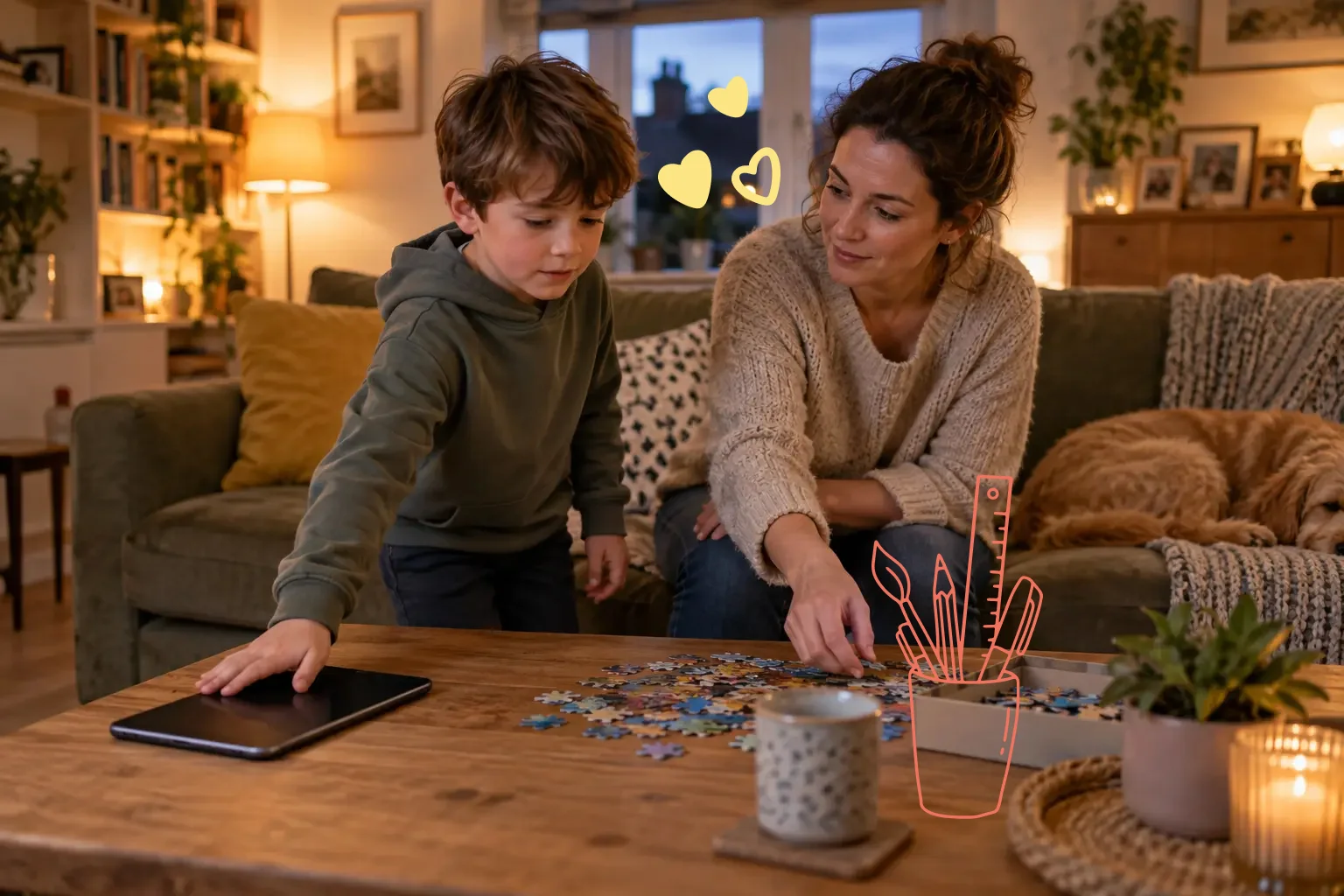
A verbal “five more minutes” can disappear quickly when a child is deeply absorbed. Then the request to stop may feel sudden even if we believe we gave plenty of warning.
We get better results when the ending can be seen and the next activity is already clear. Consistency helps, but it does not mean every transition will be effortless.
1. Make the remaining time visible
A visual countdown gives the warning somewhere to live other than in repeated adult reminders. Set it together at the beginning and point it out calmly as the end approaches.
The Time Timer MOD shows time disappearing as a coloured section becomes smaller. It should support an agreed boundary rather than appear only as a punishment.
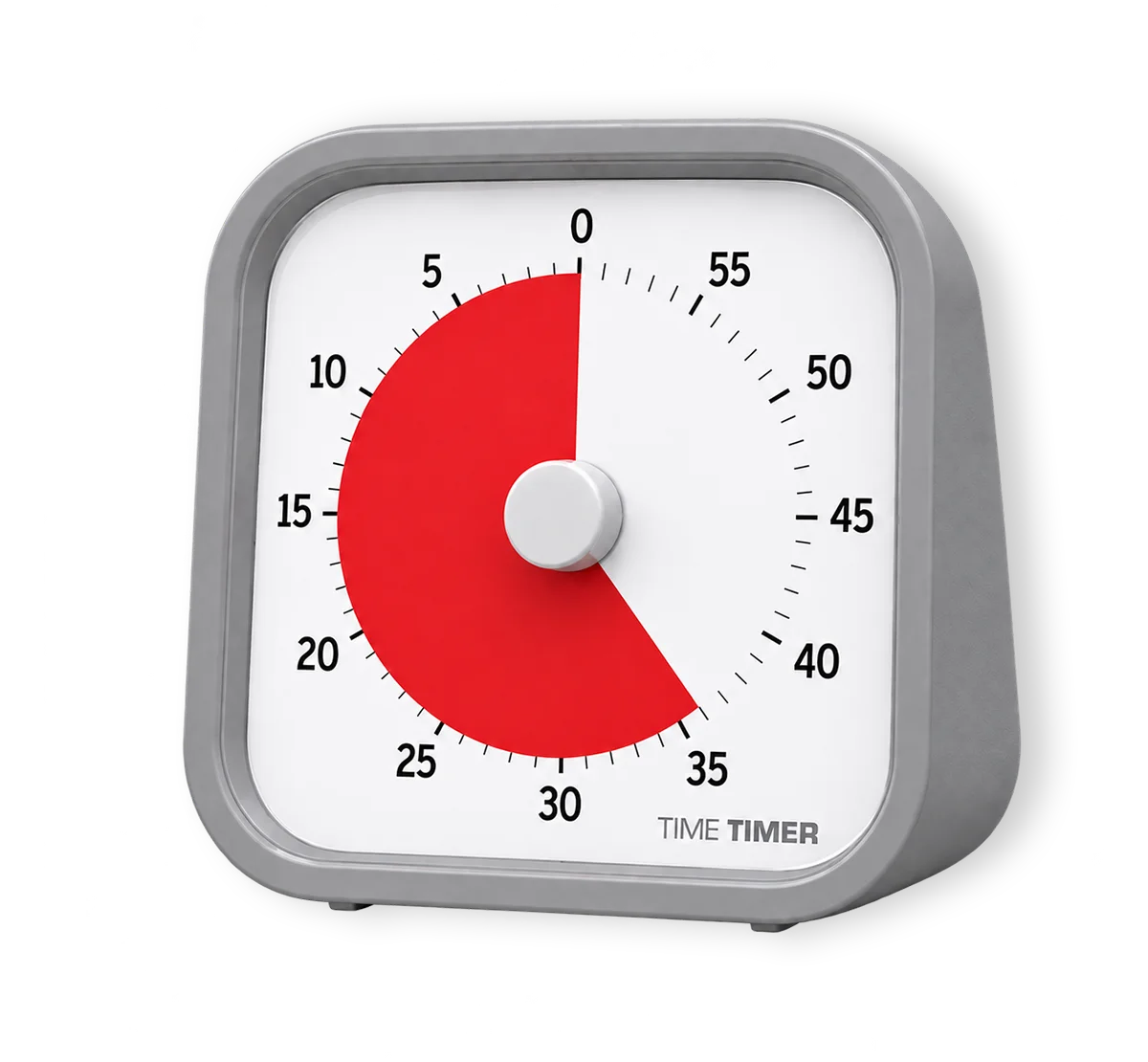
A visual countdown that makes the remaining screen time easier to understand at a glance.
View on Amazon2. Show what happens next
Stopping is easier when the next step is predictable. A simple evening chart can show whether screen time is followed by food, a bath, reading or getting ready for bed.
The 2-in-1 Routine Chart keeps a sequence visible. Use only the steps that matter and avoid turning every evening into a long checklist.
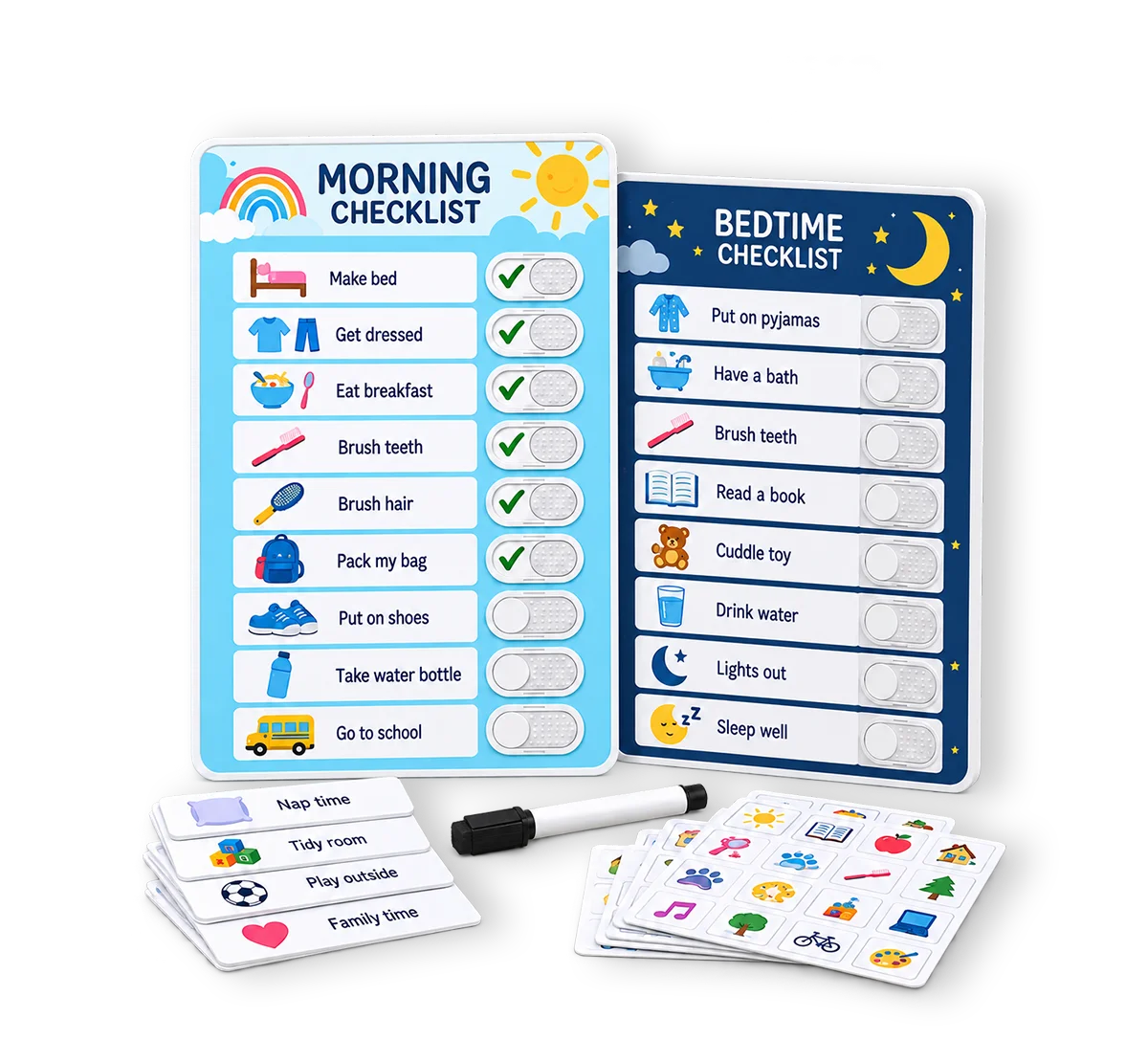
A visual sequence that can reduce repeated instructions after the screen goes away.
View on Amazon3. Replace the format, not all enjoyment
Moving from a favourite programme straight into a chore is a large change. A familiar audio story can preserve some enjoyment while removing the bright, interactive screen.
The Yoto Mini provides a screen-free bridge into quieter time. Letting the child choose the card can return a small sense of control.
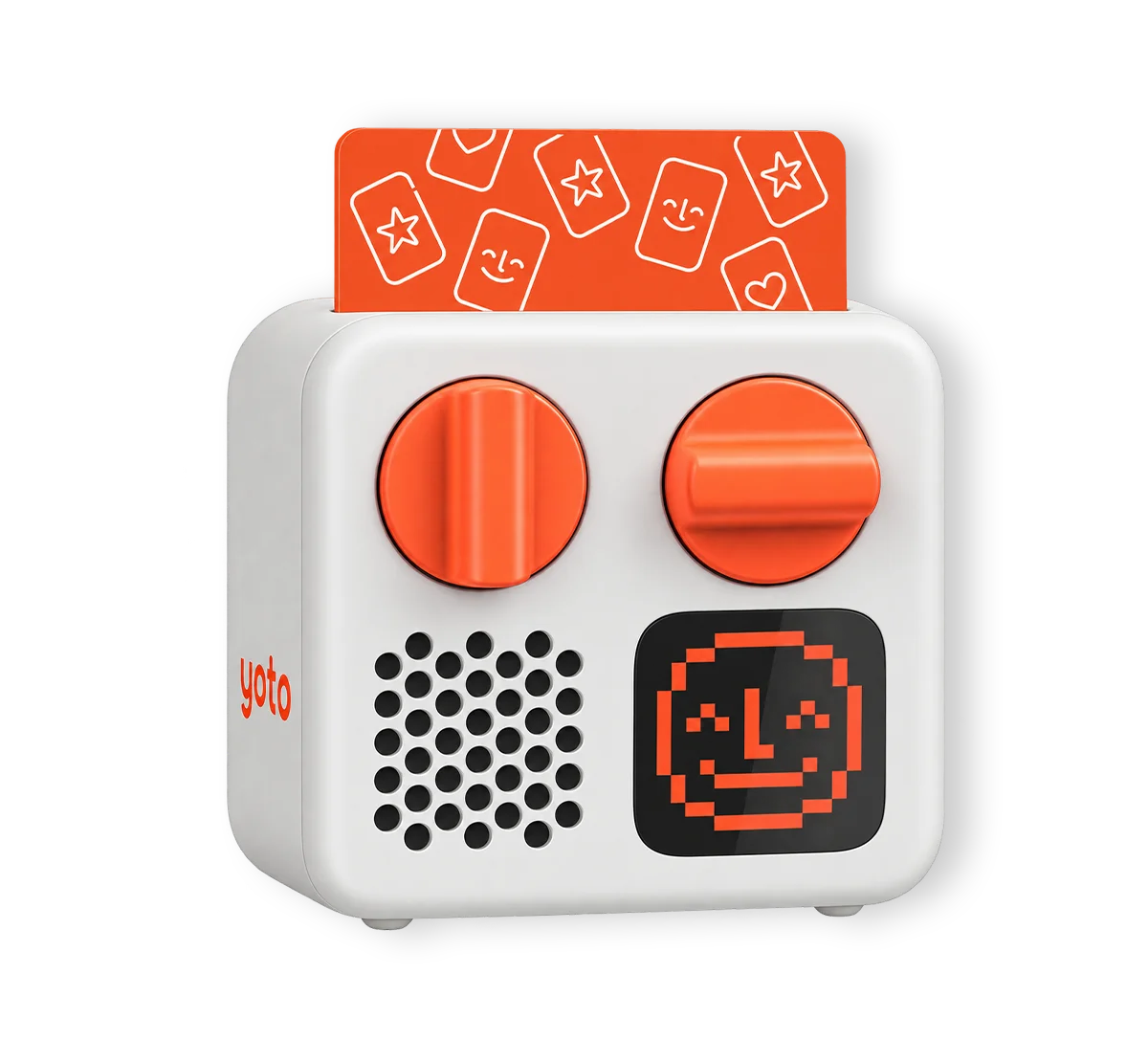
Familiar audio stories can provide an enjoyable next activity without another screen.
View on Amazon4. Give the body somewhere to put its energy
After sitting with a screen, some children are ready to move. A short physical activity can create a clean break before the next part of the day.
A Balance Board offers movement without needing a long setup. Keep the turn short and make the next transition clear before starting.
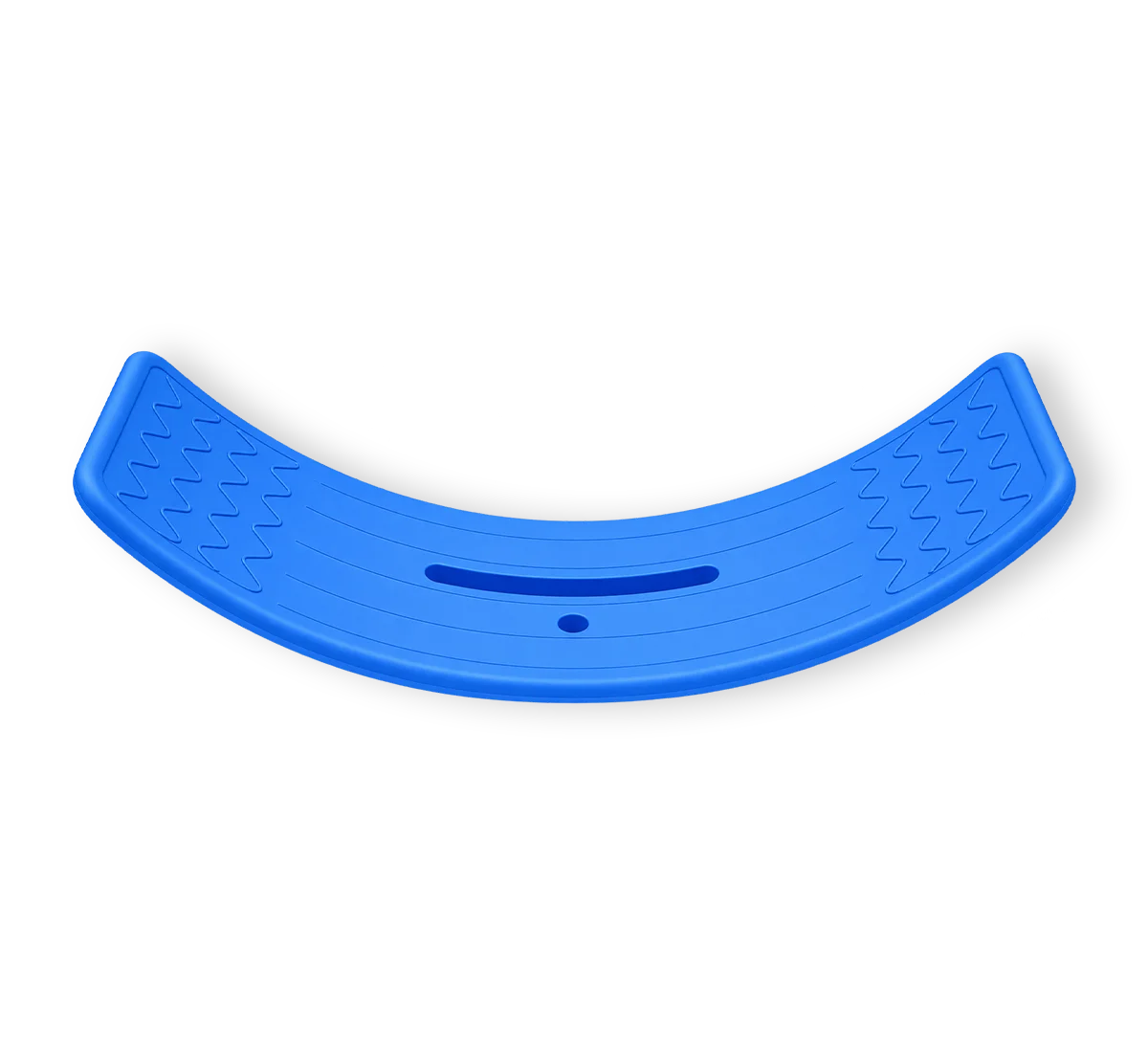
A compact movement option for the gap between screen time and the next routine.
View on AmazonA calmer ending usually begins before the screen is switched off.
Keep it flexible
There will still be days when stopping is hard, especially if a game ends unexpectedly or the child is tired. That does not mean the routine has failed.
Visible time, a known next step, a gentler alternative and movement simply remove some of the uncertainty around the change.
Looking for something else?
Browse all of our parent-led product recommendations for routines, focus, calm, movement and sleep.
Browse all recommended productsThis is parent-led general information rather than medical advice, and every child is different. This article contains affiliate links. If you buy something through one of these links, we may receive a small commission at no extra cost to you. Read our affiliate disclosure.